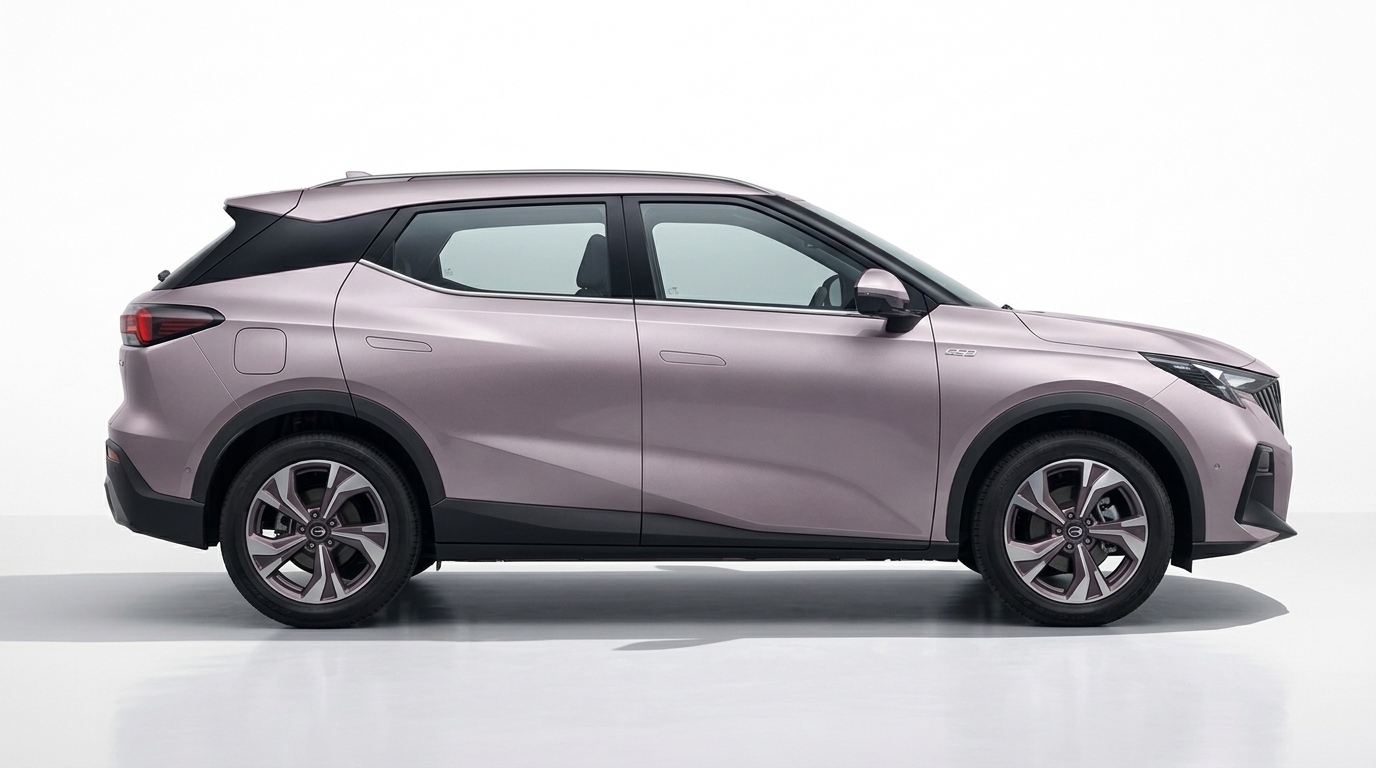
The 2026 GAC Emzoom

The 2026 GAC Emzoom officially entered the Philippine automotive market in late April 2026. Dropping the previous GS3 designation, this updated subcompact crossover focuses on mechanical refinement and upgraded cabin telemetry. Here is an objective look at the specifications of the latest iteration.

Powertrain and Transmission Propulsion is handled by a third-generation 1.5-liter turbocharged gasoline direct injection (TGDI) four-cylinder engine.

  • Performance Metrics: The unit produces 174 horsepower and a peak torque of 270 Nm.

  • Drivetrain: Power is transferred to the front wheels via a 7-speed wet dual-clutch transmission (7WDCT). This powertrain configuration yields a recorded 0-100 km/h acceleration time of 7.5 seconds.

Variant Distinctions and Exterior Design The vehicle is distributed in two primary trims: the standard GB and the top-tier R-Style.

  • GB Variant: Features the standard “Star Diamond” front grille assembly.

  • R-Style Variant: Integrates a Black Edition package featuring a “Flying Wing” grille design, blacked-out badging, electric hidden door handles, auto-folding side mirrors, and an automatic power tailgate.

Telemetry and Safety Systems The interior architecture centers on functional digital displays and automated driver assistance.

  • Central Interface: Both trims utilize a 14.6-inch touchscreen infotainment display supporting direct Apple CarPlay and Android Auto integration.

  • Driver Aids: The R-Style is equipped with a comprehensive Advanced Driver Assist Systems (ADAS) suite. This incorporates Adaptive Cruise Control, Automatic Emergency Braking, Forward Collision Warning, Lane Departure Warning, and Lane Keep Assist.

  • Market Integration: The Emzoom launches with a competitive pricing structure, starting at ₱1,059,900 for the GB and ₱1,159,900 for the R-Style.
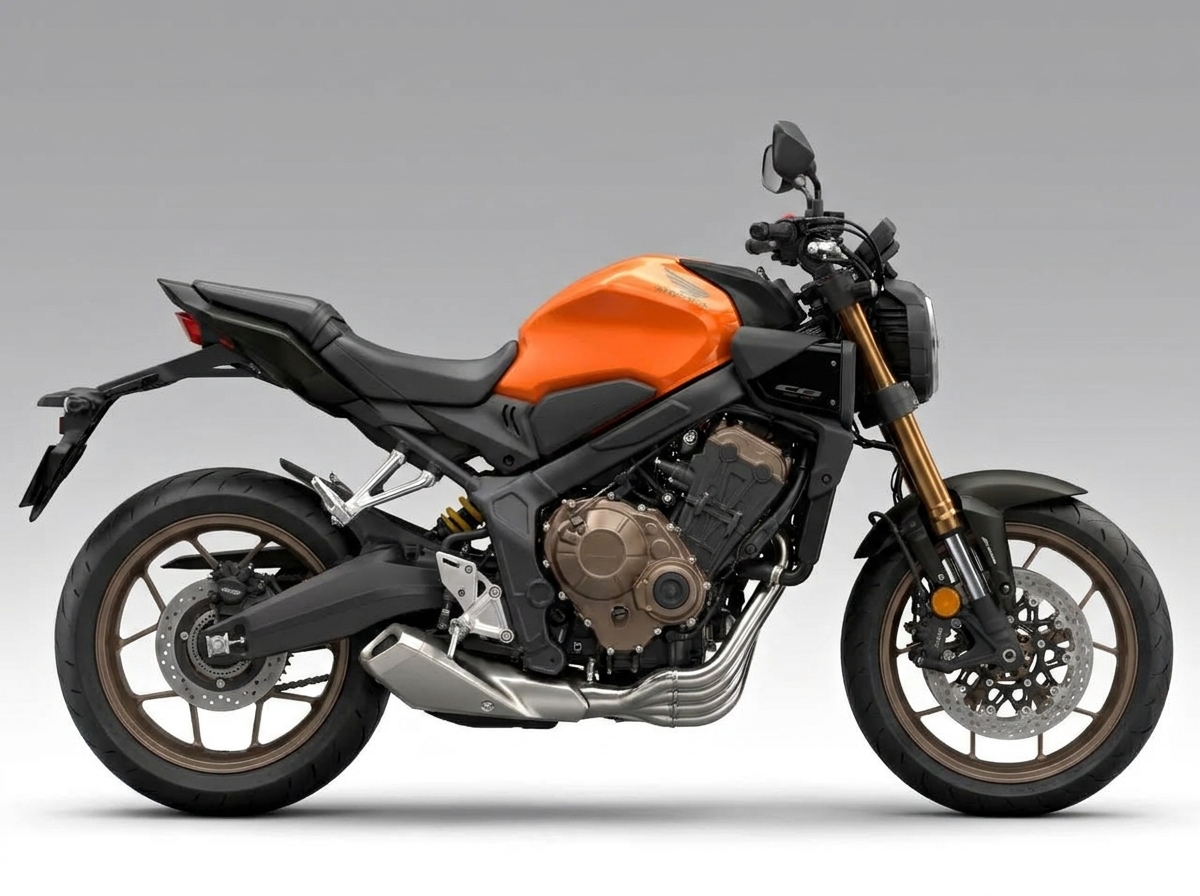

The Next-Gen Explorer: Unpacking the 2026 Honda NX500 E-Clutch

The middleweight adventure segment is arguably the most fiercely contested category in the Philippine motorcycle market. Riders demand a machine lightweight enough to carve through Metro Manila traffic, yet robust enough to tackle the Sierra Madre loop or an unpaved Cordillera trail on the weekend.

Fresh off its official unveiling at the Makina Moto Expo 2026, Honda Philippines has introduced its latest answer to that demand: the Honda NX500. Serving as the evolutionary successor to the beloved CB500X, the NX500 brings sharper geometry, modern telemetry, and one massive technological leap—the E-Clutch system. Here is a technical breakdown of the new adventure standard.

Powertrain and the E-Clutch Revolution

At its core, the NX500 is powered by Honda’s proven 471cc liquid-cooled, parallel-twin engine. It delivers a smooth, linear powerband that is predictable on loose gravel but packs enough mid-range punch for aggressive highway overtakes.

However, the real engineering marvel of the 2026 model is the integration of Honda’s E-Clutch System.

  • How It Works: This is not a fully automatic transmission like Honda’s DCT. The E-Clutch allows the rider to start from a dead stop, shift up and down through the gearbox using the foot pedal, and come to a complete halt—all without ever pulling the clutch lever.

  • The Benefit: In highly technical off-road scenarios where stalling is a risk, or during hours of stop-and-go city traffic, the E-Clutch drastically reduces rider fatigue. For purists, the system can be toggled off, returning the bike to a traditional manual clutch experience instantly.

Chassis and Suspension Geometry

Honda has shaved off unsprung weight to make the NX500 more agile than its predecessor.

  • The Wheels: It utilizes new cast-aluminum wheels (a 19-inch front and 17-inch rear) featuring a 5-spoke Y-shaped design. This reduces rotational mass, resulting in lighter, more responsive steering feedback on tight trails.

  • Suspension: The front end is planted with 41mm Showa Separate Function Fork Big Piston (SFF-BP) inverted forks. This setup separates the damping and spring functions between the two fork legs, providing superior reaction to severe trail impacts and washboards while maintaining composure under heavy front braking.

  • Braking: Stopping power is handled by dual 296mm front discs gripped by axial-mounted two-piston calipers, backed by standard dual-channel ABS.

Telemetry and Navigation Integration

Adventure riding requires clear data visibility, and the analog displays of the past have been completely phased out.

  • The Display: The cockpit is dominated by a new 5-inch full-color TFT screen. Honda utilizes an optical bonding process to inject resin between the display and the glass cover, completely eliminating glare and ensuring maximum readability even under harsh, direct midday sunlight.

  • Connectivity: The system features Honda RoadSync, allowing the rider to link their smartphone via Bluetooth. Through an intuitive backlit toggle switch on the left handlebar, riders can manage turn-by-turn navigation, monitor weather updates, and control media without taking their hands off the grips or their eyes off the trail.

The Verdict

Available locally in Pearl Horizon Black and Matte Gunpowder Black Metallic, the 2026 Honda NX500 successfully bridges the gap between daily utility and off-grid exploration. By combining the legendary reliability of Honda’s 500-class parallel-twin with the revolutionary E-Clutch technology and a modernized suspension setup, it is built to be a relentless, fatigue-free overland machine.

The New Kid on the Dirt: Unpacking the 212 T01 Off-Roader

The New Kid on the Dirt: Unpacking the 212 T01 Off-Roader

The 2026 Manila International Auto Show (MIAS) didn’t just bring new models to the Philippines; it introduced an entirely new brand. Dedicated strictly to 4x4s and serious trail machines, 212 Motor Philippines has made its entrance with a single, highly capable model: the 212 T01.

Tracing its lineage back to China’s legendary BAW BJ212 off-roader from the 1960s, this modern iteration abandons the crossover trend entirely. It is a boxy, body-on-frame utility vehicle designed specifically to conquer deep water and technical terrain. Here is a look at the hardware that makes the T01 a genuine fortress for both urban floods and weekend overland routes.

The Hardware and Geometry

The T01 is built from the ground up as a dedicated 4×4, prioritizing mechanical grip and articulation over aerodynamic highway efficiency.

  • Chassis and Suspension: Underneath the retro-boxy shell lies a heavy-duty body-on-frame platform. It utilizes a 5-link solid axle suspension system, allowing for maximum wheel articulation when navigating deep ruts or rocky inclines.

  • Clearance and Wading: Built for the realities of the Philippine climate, the T01 boasts a commanding 235 mm of ground clearance. More impressively, it features a massive 850 mm water-wading depth directly from the factory, making it exceptionally capable during monsoon season.

Powertrain and Drivetrain

While many new entries at MIAS 2026 pushed hybrid and electric platforms, the 212 T01 sticks to the relentless reliability and low-end grunt of a traditional diesel engine.

  • The Engine: Power is generated by an AUCAN 2.0-liter turbocharged diesel engine.

  • The Output: It produces a steady 168 horsepower and a very healthy 415 Nm of torque. This torque figure is exactly what you want when crawling over obstacles or pulling the heavy frame out of thick mud.

  • Transmission: The engine is mated to a highly reputable ZF 8-speed automatic transmission, ensuring smooth gear transitions whether cruising on the highway or locked in low-range off-road conditions.

4×4 Capability and Cabin Tech

Despite its rugged, old-school exterior design, the mechanical and digital systems managing the traction are thoroughly modern.

  • Traction Control: Power is routed through a selectable four-wheel-drive (4WD) system. To ensure it doesn’t get stuck when the trail gets severe, it comes equipped with both front and rear differential locks, along with dedicated, terrain-specific off-road driving modes.

  • The Interior: Opening the doors reveals a cabin that contrasts sharply with the utilitarian exterior. It features plush leather upholstery and modern digital interfaces, including a 10.25-inch digital gauge cluster for the driver and a 12.3-inch central infotainment screen. Crucially for trail driving, it integrates a 360-degree camera system to help spot hidden obstacles on tight tracks without needing to step out of the vehicle.

The Verdict

The 212 T01 is a refreshing counter-punch to the increasingly soft, crossover-dominated SUV market. It doesn’t pretend to be a sporty city car. It is an unapologetically rugged, diesel-powered 4×4 built for those who require genuine off-road capability and high water-wading limits, wrapped in a classic aesthetic.

Jayson Arquiza / The Dirty Driver

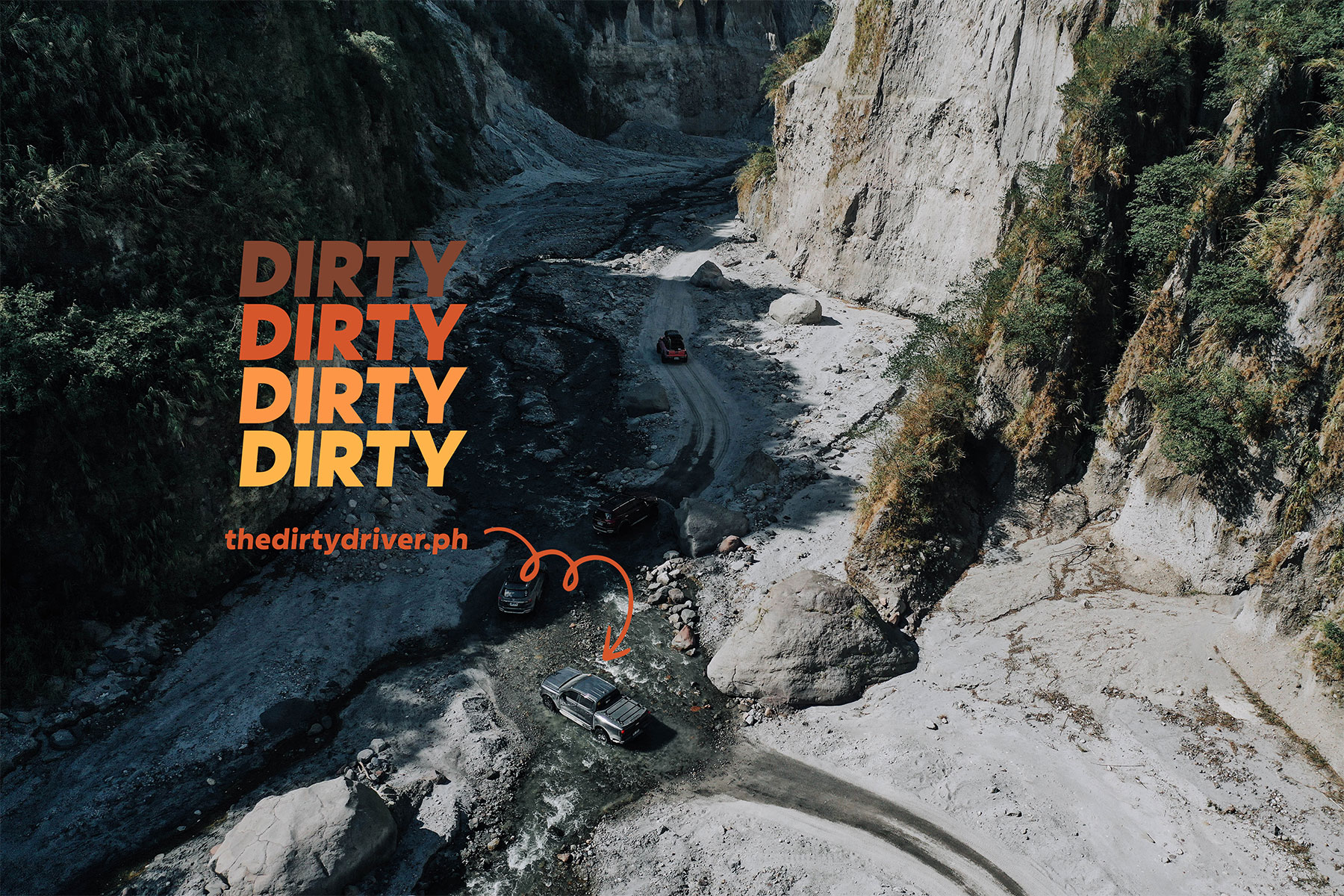
It is only fitting that the very first enthusiast featured on Two and Four is the platform’s own founder. Long before launching this digital magazine, Jayson began his off-roading, overlanding, and car-camping journey as a dedicated member of the Ford Everest Club of the Philippines (FECP) and the Ford Offroaders Club of the Philippines (FOCP).

To document his weekend escapes and road trips, he created The Dirty Driver. What started as a personal medium to share local travel and camp setups quickly evolved, driven by his eye for premium automotive visuals.

From Passion Project to Official Partner

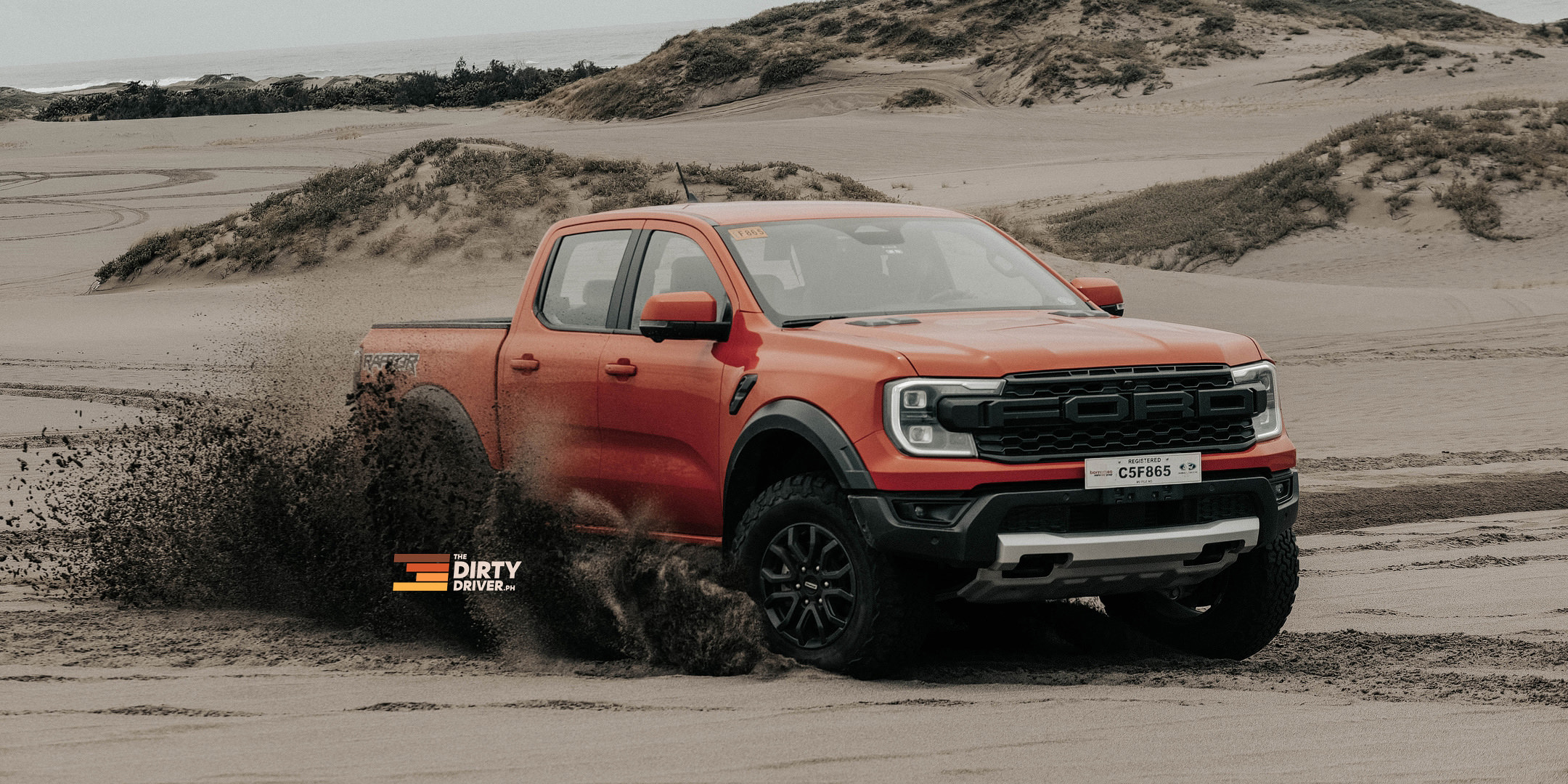
Operating as a multi-disciplinary hybrid creative, Jayson seamlessly blended his expertise as a photographer, videographer, video editor, and drone enthusiast to bring a high-end, cinematic polish to his off-road travels. His unscripted visual aesthetic soon caught the attention of Ford Philippines. The defining breakthrough occurred when the brand loaned him a Next-Gen Ford Ranger Raptor. Jayson brought the truck to the sprawling Paoay Sand Dunes in Ilocos Norte, shooting a stunning visual reel that perfectly immortalized the vehicle’s power in its natural habitat.

That single passion project opened the floodgates. Impressed by the stunning output, Ford Philippines officially tapped him to create the launch video for the Ford Ranger Raptor V6 in the country. What set Jayson apart was his authenticity.

As a proud Ford owner himself, his genuine passion for the brand and his deep-rooted love for off-road adventures made him the near-perfect partner. He wasn’t just a director hired to shoot a commercial; he was an enthusiast capturing the very lifestyle he lives and breathes every weekend.

“Kwentong Ford” and Beyond Borders

The Raptor V6 project paved the way for succeeding official content creation, putting Jayson behind the lens for the Ford Everest Sport and Ford Ranger Sport campaigns. His portfolio expanded further with Project Electrify, where he directed video content for the highly anticipated local launches of the Ford Mustang Mach-E and the Ford Territory Hybrid.

Today, during his industry speaking engagements, he fondly refers to this life-changing transition from a simple content creator to a trusted commercial director as his “Kwentong Ford.”

His adventures have only scaled up since. Most recently, Jayson was part of the Ford Go First adventure—a massive, cross-country overland expedition driving across the borders of Thailand, Laos, and China.

Through The Dirty Driver, Jayson turned weekend road trips into a thriving creative career. Now, with the launch of Two and Four, he is turning the lens outward—ready to discover, capture, and share the stories of the community’s next great motoring enthusiasts.

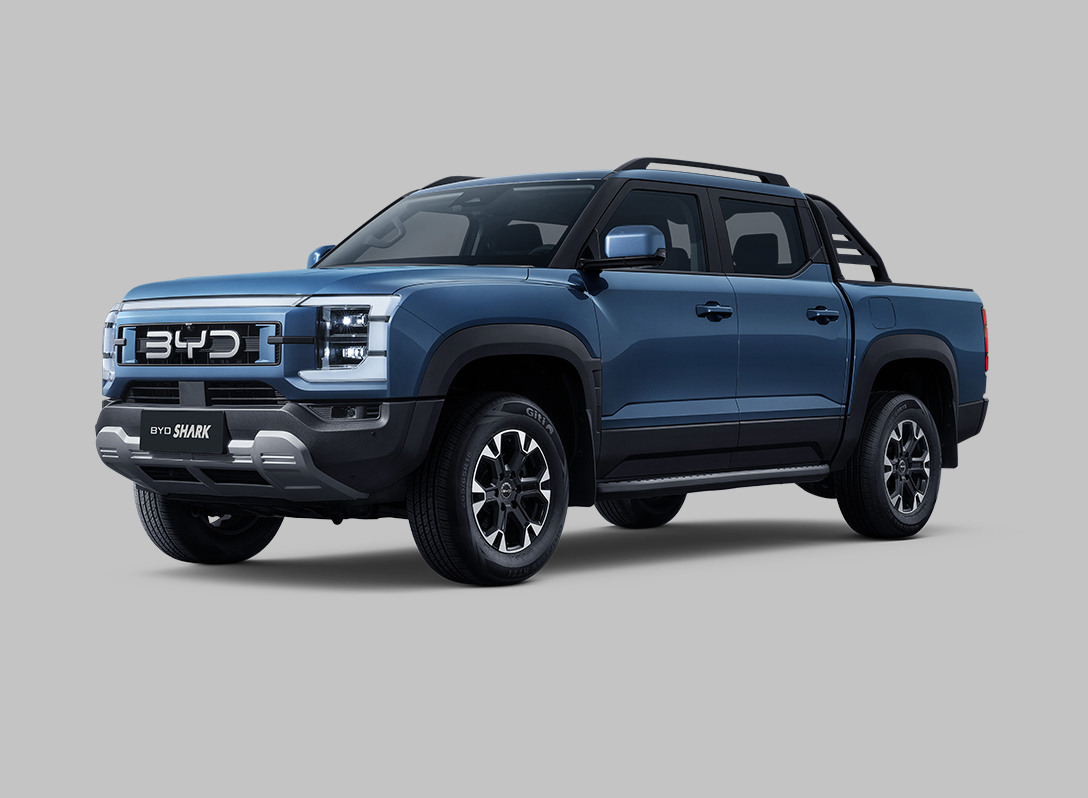
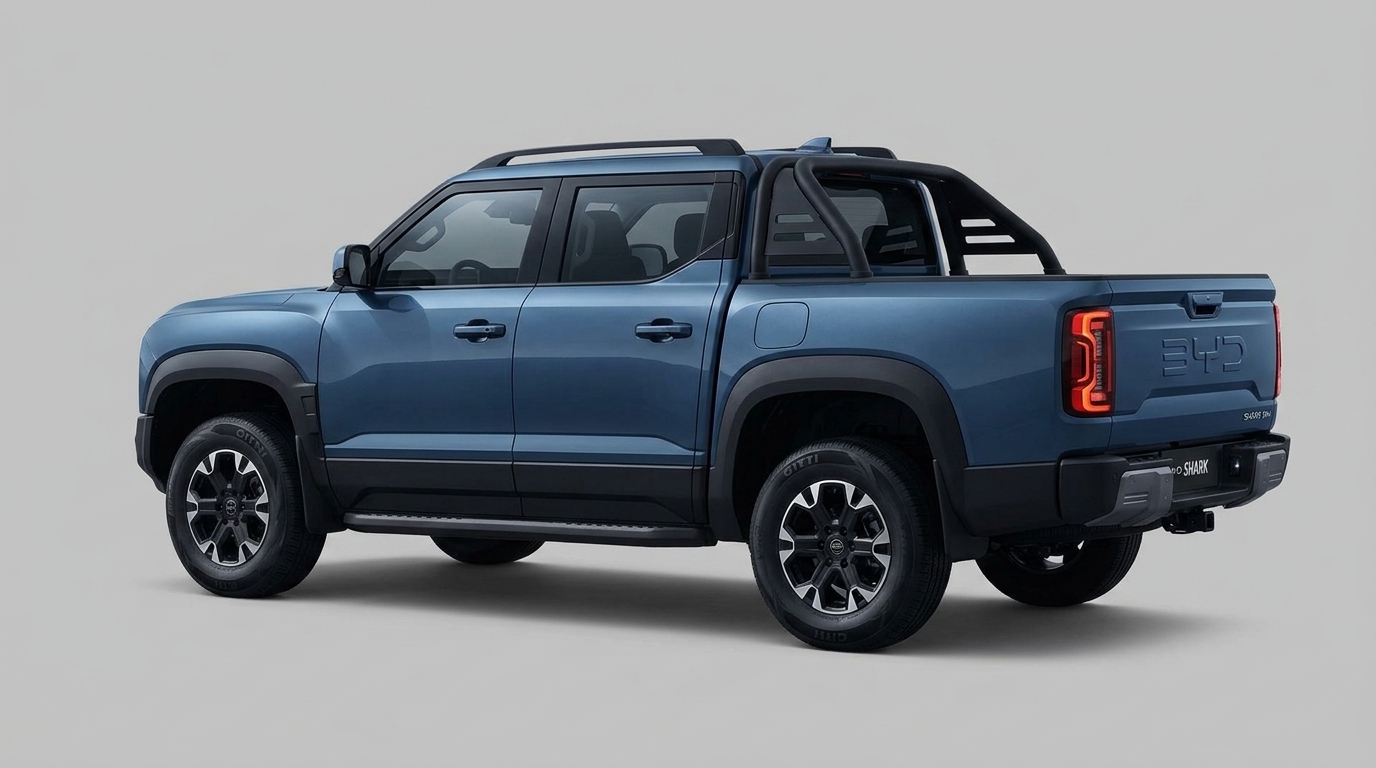
The Electrified Utility: A Technical Breakdown of the BYD Shark 6 DMO

BYD Shark 6 DMO | Advanced Hybrid Pickup with Intelligent Features

The Electrified Utility: A Technical Breakdown of the BYD Shark 6 DMO

The pickup truck segment in the Philippines is highly competitive, traditionally dominated by diesel-powered utility vehicles. However, BYD has introduced a significant shift in this category with the release of the BYD Shark 6 DMO.

Recently showcased at the Manila International Auto Show (MIAS) 2026 and fresh off setting a Guinness World Record for the most cities visited in a continuous journey by a Plug-in Hybrid Electric Vehicle (PHEV) across the Philippines, the Shark 6 DMO is a highly relevant vehicle for the local market. Here is a direct look at the technical specifications and engineering behind BYD’s electrified pickup.

Powertrain and DMO Architecture

The Shark 6 operates on BYD’s Dual Mode Off-Road (DMO) Super Hybrid platform. This is a PHEV system designed specifically for heavy utility and off-road applications.

  • Engine and Motors: The system utilizes a longitudinally mounted 1.5-liter turbocharged four-cylinder engine paired with dual electric motors (one on the front axle and one on the rear).

  • Power Output: The combined output of the internal combustion engine and electric motors generates over 430 horsepower. This configuration allows the heavy utility vehicle to accelerate from 0 to 100 km/h in under 6 seconds.

  • Battery and Range: It is equipped with BYD’s ultra-safe Blade Battery, integrated directly into a high-strength steel frame (Cell-to-Chassis technology). The battery provides an electric-only range suitable for daily city commuting, while the combined hybrid system extends the total operational range, eliminating range anxiety during long provincial transit.

  • Drive Modes: The system features intelligent torque distribution, seamlessly switching between EV mode and Hybrid mode depending on the load, speed, and terrain resistance.

Chassis and Suspension Engineering

To handle high payload capacities and technical off-road conditions, the Shark 6 utilizes a specialized suspension architecture rather than standard leaf springs.

  • Suspension Layout: It features a fully independent double-wishbone suspension system for both the front and the rear. This design maximizes tire contact on uneven terrain and significantly reduces cabin vibration compared to traditional solid rear axle setups.

  • Traction Control: The DMO platform relies on electric motor torque vectoring rather than a traditional mechanical transfer case. The front and rear motors independently adjust power output in milliseconds, providing instant traction to the wheels with the most grip during low-traction ascents or mud driving.

Cabin Telemetry and Utilitarian Features

The interior is designed to balance driver comfort with functional utility, utilizing digital interfaces to monitor the complex hybrid system.

  • Digital Interfaces: The dashboard features a large rotating central infotainment screen that controls vehicle diagnostics, energy flow monitoring, and multimedia integration (Apple CarPlay and Android Auto). A dedicated digital instrument cluster provides real-time data on battery state-of-charge, engine RPM, and terrain modes.

  • Vehicle-to-Load (V2L): One of the most critical utility features is the V2L capability. The Shark 6 can output 220V AC power directly from its battery to external outlets located in the truck bed. This allows operators to power power tools, heavy lighting equipment, or campsite appliances in remote areas without needing a standalone generator.

Market Positioning

Priced dynamically between ₱2.098 Million and ₱2.298 Million, the BYD Shark 6 DMO introduces a highly technical, alternative powertrain to the Philippine pickup market. By combining the heavy payload capabilities of a traditional truck with the high torque and efficiency of a PHEV platform, it provides a functional solution for both urban driving and off-grid utility.

The Electric Vanguard: A First Look at the 2026 Kia EV5

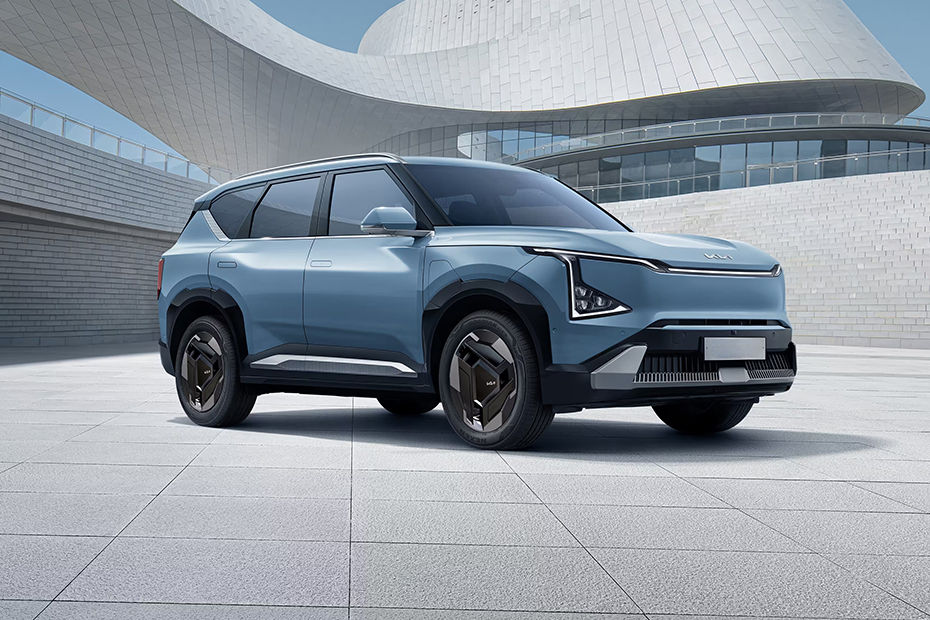
Kia EV5 2026 Front Angle Low View

The electric revolution in the Philippines is moving fast, and the compact electric SUV segment just got significantly more competitive. Fresh off its official showcase at the Manila International Auto Show (MIAS) 2026, the all-new Kia EV5 has landed.

Taking heavy design inspiration from its massive, flagship sibling—the EV9—the EV5 distills that premium, futuristic aesthetic into a much more accessible and urban-friendly package. Here is a technical breakdown of what makes Kia’s latest fully electric vehicle a serious contender.

Powertrain and Range

Kia designed the EV5 to balance daily drivability with long-range capability, built on a dedicated electric architecture.

  • Performance: The EV5 is driven by a front-mounted electric motor that delivers a punchy 214 horsepower. Being an EV, that power translates to immediate, linear torque the second you touch the pedal, making city overtaking and highway merging effortless.

  • Battery Capability: Range anxiety is quickly becoming a thing of the past. The EV5 boasts an impressive maximum range of up to 550 kilometers on a single charge. That is more than enough to handle a full week of Metro Manila traffic or a weekend run to the provinces without constantly checking the battery gauge.

  • Charging: It supports fast-charging capabilities, allowing the battery to go from a 10% to 80% charge in a matter of minutes at a compatible DC fast-charging station.

Design and Aerodynamics

Visually, the EV5 stands out from the rounded, swept-back look of many modern crossovers. Kia’s “Opposites United” design philosophy gives it a distinctly bold and boxy stance.

  • The Digital Tiger Face: The traditional front grille is gone, replaced by a sharp, geometric front fascia featuring Kia’s signature Star Map lighting.

  • Efficiency Meets Style: Despite its muscular, upright silhouette, the design is highly aerodynamic. Flush door handles and specially designed aero-wheels help the EV5 cut through the air with minimal drag, directly contributing to its 550-kilometer range.

Cabin Technology and Practicality

Step inside, and it becomes clear that Kia intended for the EV5 cabin to feel more like a modern, minimalist lounge than a traditional car interior.

  • The Digital Command Center: The dashboard is dominated by a massive, sweeping panoramic display. This seamlessly integrates the digital instrument cluster with the central infotainment touchscreen, providing the driver with crisp telemetry and intuitive access to Apple CarPlay, Android Auto, and the vehicle’s core management systems.

  • Space and Comfort: Because it is built on a dedicated EV platform rather than a modified gas-powered chassis, there is no transmission tunnel. This allows for a completely flat floor, vastly improving legroom and overall comfort for all five passengers.

The Verdict

Available in two distinct trims—the GL at ₱2,298,000 and the top-tier GLS at ₱2,698,000—the 2026 Kia EV5 successfully bridges the gap between high-end electric luxury and everyday utility. It offers the aggressive styling of a much larger SUV, packed with the tech and range required to make the switch to full electric a seamless experience.

For those looking to enter the EV space without compromising on versatility, the Kia EV5 demands a spot at the top of the test-drive list.

New Beginnings

Our first post! We are Two and Four! Your premium local auto/moto experience. Founded by Paolo Ruiz and Jayson Arquiza, whether you ride on two wheels or drive on four, our passion is exploring open roads and the outdoors. Celebrate the pure joy of the journey on whatever moves you. @twoandfourph #twoandfour #twoandfourph #twoandfourphilippines