
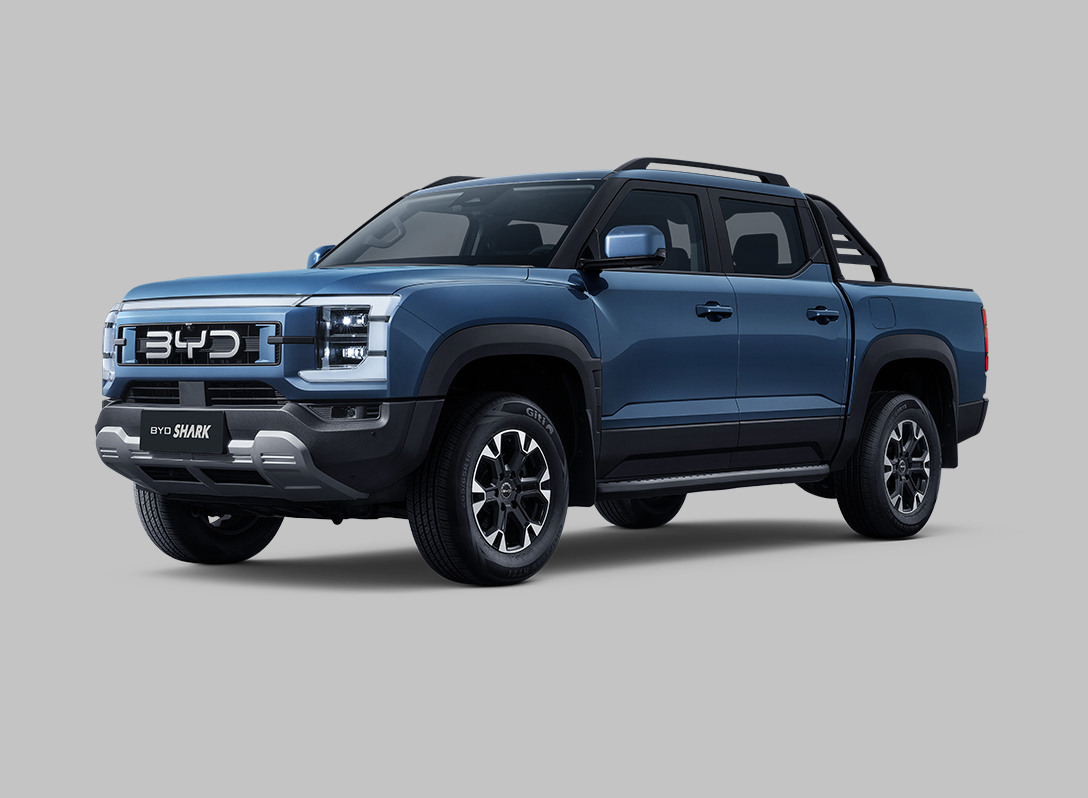
The Electrified Utility: A Technical Breakdown of the BYD Shark 6 DMO
The pickup truck segment in the Philippines is highly competitive, traditionally dominated by diesel-powered utility vehicles. However, BYD has introduced a significant shift in this category with the release of the BYD Shark 6 DMO.
Recently showcased at the Manila International Auto Show (MIAS) 2026 and fresh off setting a Guinness World Record for the most cities visited in a continuous journey by a Plug-in Hybrid Electric Vehicle (PHEV) across the Philippines, the Shark 6 DMO is a highly relevant vehicle for the local market. Here is a direct look at the technical specifications and engineering behind BYD’s electrified pickup.
Powertrain and DMO Architecture
The Shark 6 operates on BYD’s Dual Mode Off-Road (DMO) Super Hybrid platform. This is a PHEV system designed specifically for heavy utility and off-road applications.
-
Engine and Motors: The system utilizes a longitudinally mounted 1.5-liter turbocharged four-cylinder engine paired with dual electric motors (one on the front axle and one on the rear).
-
Power Output: The combined output of the internal combustion engine and electric motors generates over 430 horsepower. This configuration allows the heavy utility vehicle to accelerate from 0 to 100 km/h in under 6 seconds.
-
Battery and Range: It is equipped with BYD’s ultra-safe Blade Battery, integrated directly into a high-strength steel frame (Cell-to-Chassis technology). The battery provides an electric-only range suitable for daily city commuting, while the combined hybrid system extends the total operational range, eliminating range anxiety during long provincial transit.
-
Drive Modes: The system features intelligent torque distribution, seamlessly switching between EV mode and Hybrid mode depending on the load, speed, and terrain resistance.
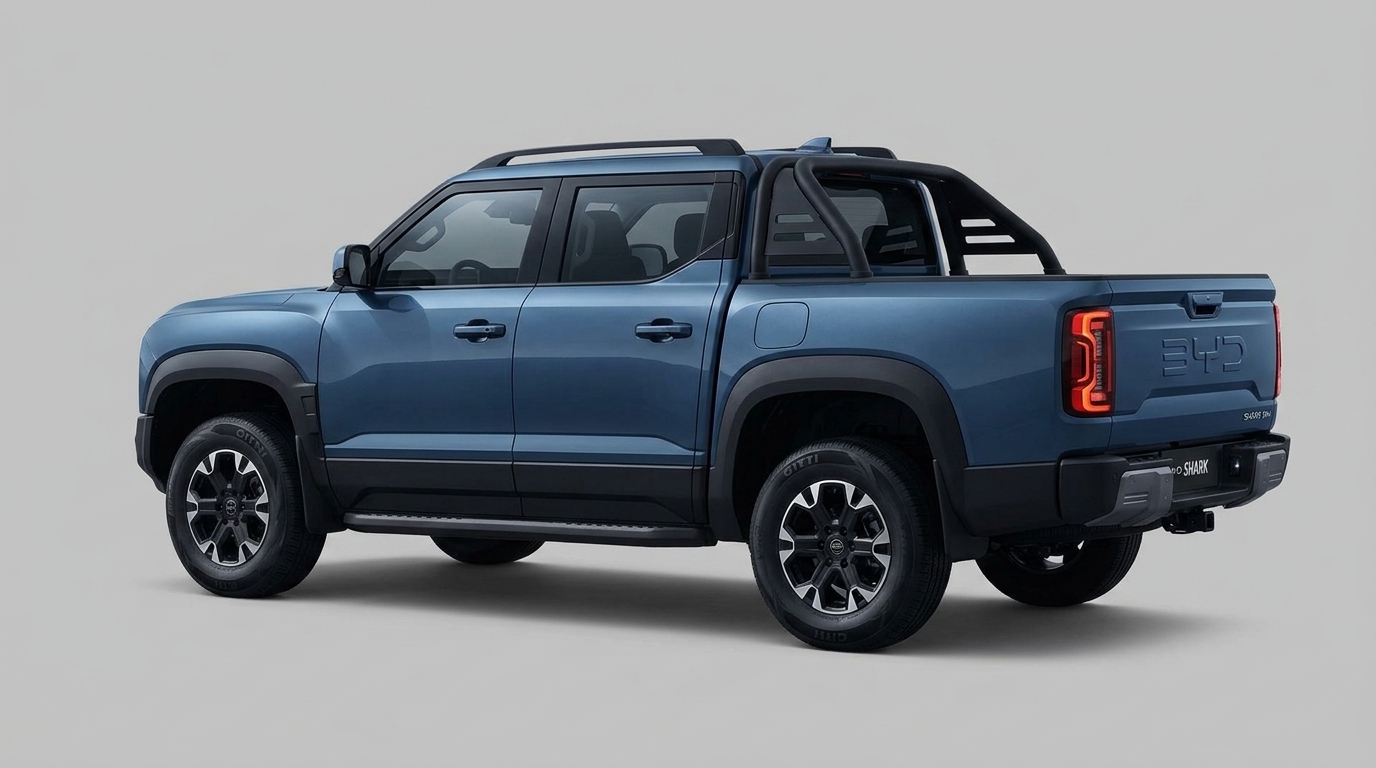
Chassis and Suspension Engineering
To handle high payload capacities and technical off-road conditions, the Shark 6 utilizes a specialized suspension architecture rather than standard leaf springs.
-
Suspension Layout: It features a fully independent double-wishbone suspension system for both the front and the rear. This design maximizes tire contact on uneven terrain and significantly reduces cabin vibration compared to traditional solid rear axle setups.
-
Traction Control: The DMO platform relies on electric motor torque vectoring rather than a traditional mechanical transfer case. The front and rear motors independently adjust power output in milliseconds, providing instant traction to the wheels with the most grip during low-traction ascents or mud driving.
Cabin Telemetry and Utilitarian Features
The interior is designed to balance driver comfort with functional utility, utilizing digital interfaces to monitor the complex hybrid system.
-
Digital Interfaces: The dashboard features a large rotating central infotainment screen that controls vehicle diagnostics, energy flow monitoring, and multimedia integration (Apple CarPlay and Android Auto). A dedicated digital instrument cluster provides real-time data on battery state-of-charge, engine RPM, and terrain modes.
-
Vehicle-to-Load (V2L): One of the most critical utility features is the V2L capability. The Shark 6 can output 220V AC power directly from its battery to external outlets located in the truck bed. This allows operators to power power tools, heavy lighting equipment, or campsite appliances in remote areas without needing a standalone generator.
Market Positioning
Priced dynamically between ₱2.098 Million and ₱2.298 Million, the BYD Shark 6 DMO introduces a highly technical, alternative powertrain to the Philippine pickup market. By combining the heavy payload capabilities of a traditional truck with the high torque and efficiency of a PHEV platform, it provides a functional solution for both urban driving and off-grid utility.