Category: Four Wheels

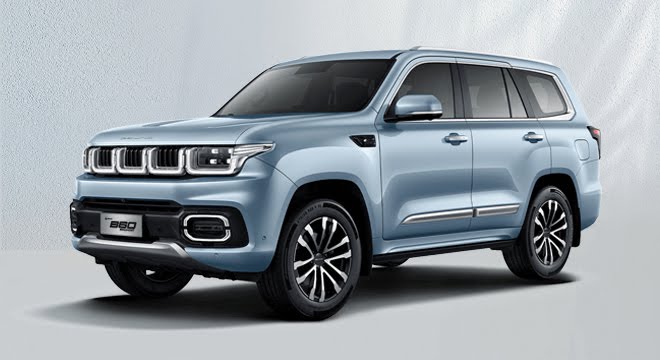
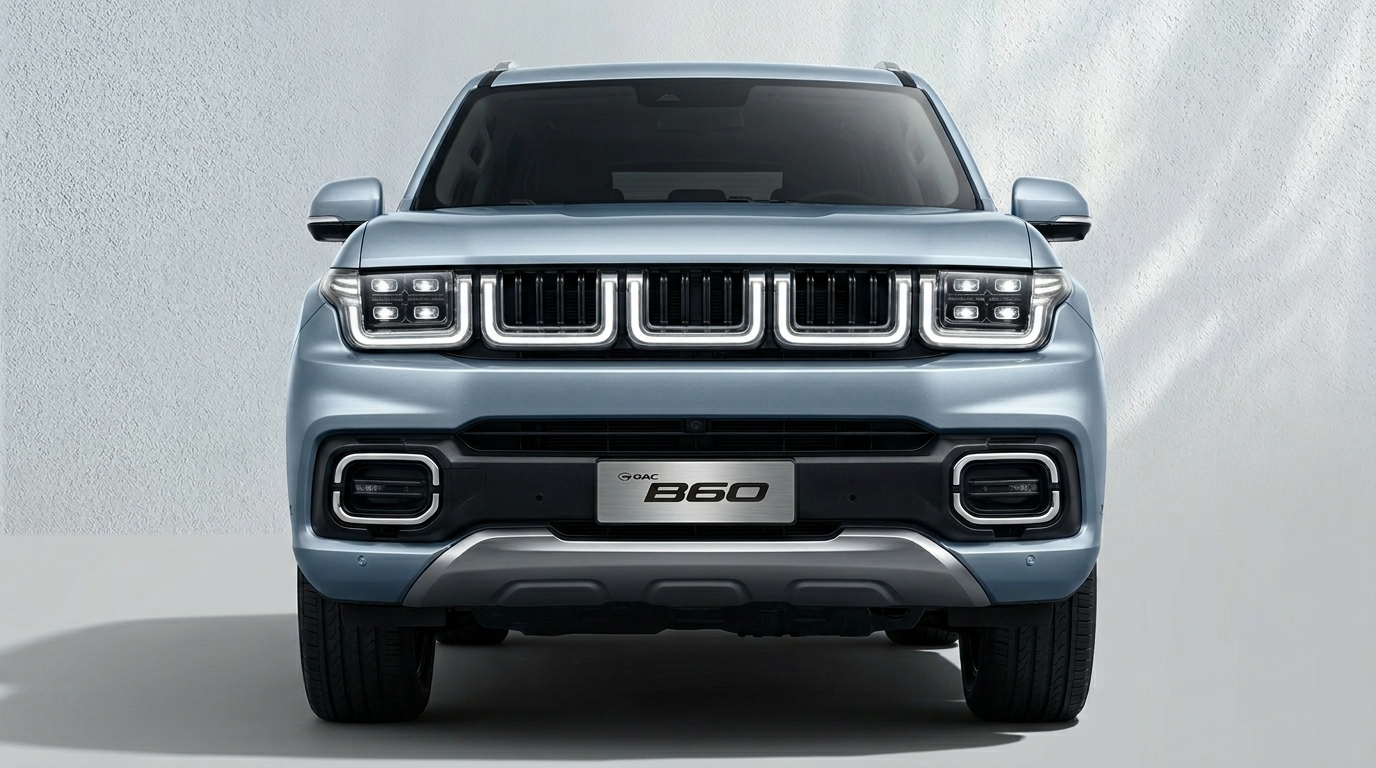
Unplugged but Fully Charged: Why the BAIC B60e Beaumont rEV Changes the Overlanding Equation

For decades, the formula for a true full-size 4×4 was simple: bolt a large-displacement engine to a heavy ladder-frame chassis and call it a day. But as the landscape of off-roading evolves, so does the technology required to conquer it. Enter the BAIC B60e Beaumont rEV, a massive 7-seater that proves the future of overlanding does not have to be tied to a charging station.

Today, we are looking past the imposing sheet metal to understand how this ₱3.498 Million flagship merges zero-range-anxiety exploration with the instantaneous torque of an electric vehicle.

The Range-Extender Advantage

When you are miles away from civilization, a dead battery is not an inconvenience; it is an emergency. This is where BAIC’s rEV (Range-Extended Electric Vehicle) architecture becomes a game-changer for trail runners.

Unlike a traditional Plug-in Hybrid (PHEV) where both the engine and electric motors can drive the wheels, the B60e Beaumont operates strictly as an EV. The wheels are propelled entirely by a dual-motor, full-time all-wheel-drive system that pushes out a staggering 540 horsepower and 655 Nm of torque

Under the hood sits a 1.5-liter turbocharged four-cylinder gasoline engine that acts purely as an onboard generator. Its sole purpose is to feed electricity to the battery pack and motors. The result is an estimated 1,200 kilometers of total driving range on a full 85-liter tank. You get the aggressive, instant power delivery of a pure EV, without ever needing to worry about grid infrastructure when you are off the map.
Trail-Rated Hardware

A premium powertrain means nothing if the chassis cannot handle the abuse of deep ruts and rocky inclines. Fortunately, the B60e does not rely on a unibody crossover platform. It sits on a proper body-on-frame architecture that off-roaders demand.

It is equipped with the hardware required to back up its muscular stance:

  • Electronic Part-Time 4WD: Featuring front and rear differential lock systems to keep you moving when traction is compromised.

  • Suspension: A double-wishbone front and multi-link rear setup that balances trail articulation with highway composure.

  • Clearance and Stance: 215 mm of ground clearance rolling on two-tone 20-inch alloy wheels wrapped in all-terrain rubber.

  • Water Wading: A maximum wading depth of 800 mm, supplemented by a dedicated Water Wading Mode and an IP68-rated battery shield.

A Cabin Built for Command

Inside, the B60e Beaumont ditches utilitarian plastics for an environment that feels closer to an executive lounge—a stark contrast to its rugged exterior. The cabin is heavily appointed with camel brown leather, heated and ventilated front seats with massage functions, and a panoramic sunroof.

The technology suite is built around a “Six-Screen Command Center,” anchored by a 12.3-inch fully digital instrument cluster that displays dynamic off-road telemetry. For tight trail maneuvers, the 540-degree surround-view camera (which includes a transparent chassis view) acts as a digital spotter, ensuring you do not scrape the underbelly on hidden obstacles. All of this is paired with a 13-speaker Infinity audio setup featuring active noise cancellation, keeping the ride dead quiet even when the terrain gets loud.

The Verdict

The BAIC B60e Beaumont rEV is a bold statement. It delivers the premium appointments and instant torque expected of a modern luxury EV, wrapped in a traditional ladder-frame chassis, and completely untethered by charging infrastructure. For the serious off-roader who wants next-generation technology without compromising on expedition-level range, the Beaumont represents a compelling new chapter in 4×4 utility.
Electrified and Adventure-Ready: Toyota Previews Land Cruiser FJ & Hilux BEV Ahead of PIMS 2026

The 10th Philippine International Motor Show (PIMS) is gearing up to be a landmark event for local automotive enthusiasts, with an increasing focus on sustainable mobility and off-road capability. Taking center stage from June 4 to 7, 2026, at the World Trade Center in Pasay City, Toyota Motor Philippines (TMP) is set to wow crowds with a trio of highly anticipated models: the all-new Land Cruiser FJ, the Hilux BEV, and the Land Cruiser 300 HEV.

This year, Toyota’s showcase perfectly balances its legendary 4×4 heritage with its commitment to an electrified future. Here is a closer look at the two models stealing the spotlight.

The All-New Land Cruiser FJ: “Freedom & Joy”

For fans of the iconic Land Cruiser nameplate who want something more accessible and city-friendly without sacrificing trail readiness, the new Land Cruiser FJ is the answer.

Standing for “Freedom & Joy,” the LC FJ packages Toyota’s proven off-road pedigree into a more compact footprint. Instead of an electrified powertrain, the FJ sticks to its rugged roots with a traditional Internal Combustion Engine (ICE).

While it may be smaller than its LC300 sibling, it is built for serious utility. The FJ comes equipped with standard off-road hardware including a Differential Lock, an Auto Limited Slip Differential, and a 2nd Start Mode. It also features a Panoramic View Monitor to help drivers navigate tight urban streets and rocky trails with equal confidence.

The Hilux BEV: An Electric Workhorse

Toyota is also bringing battery-electric power to one of its best-selling and most durable vehicles: the Hilux. Marking the local debut of an electric 4×4 pickup, the Hilux BEV represents a massive step toward sustainable utility.

Guided by Toyota’s “Tough and Agile” design philosophy, the Hilux BEV sports a much more dynamic and sophisticated front fascia, which the brand calls a “Cyber-Sumo” aesthetic.

Underneath the futuristic exterior, it retains the “invincible spirit” of durability and performance that the Hilux is famous for. The BEV variant features a dual-motor all-wheel-drive (AWD) system pumping out 193 horsepower, powered by a 59.2 kWh battery capable of an estimated 240 kilometers of range. Interestingly, Toyota is also updating the diesel variants of the Hilux to adopt this bold new design language.

A Hybrid Flagship: The Land Cruiser 300 HEV

Rounding out Toyota’s PIMS 2026 lineup is the Land Cruiser 300 HEV. Toyota’s flagship SUV finally receives a practical hybrid system mated to its 3.5-liter twin-turbo V6 engine. This hybrid variant also introduces electronic power steering for a smoother driving experience and features an exclusive Aero body kit with Jet Black Garnish to distinguish it from the purely ICE models.

Catch Them in the Metal

Attendees can view all three vehicles at the Toyota Choice Booth during the 10th PIMS. If you are already sold, Toyota has confirmed that reservations for the Land Cruiser FJ and the Hilux BEV are available online, while the LC300 HEV can be reserved through authorized Toyota dealerships nationwide.

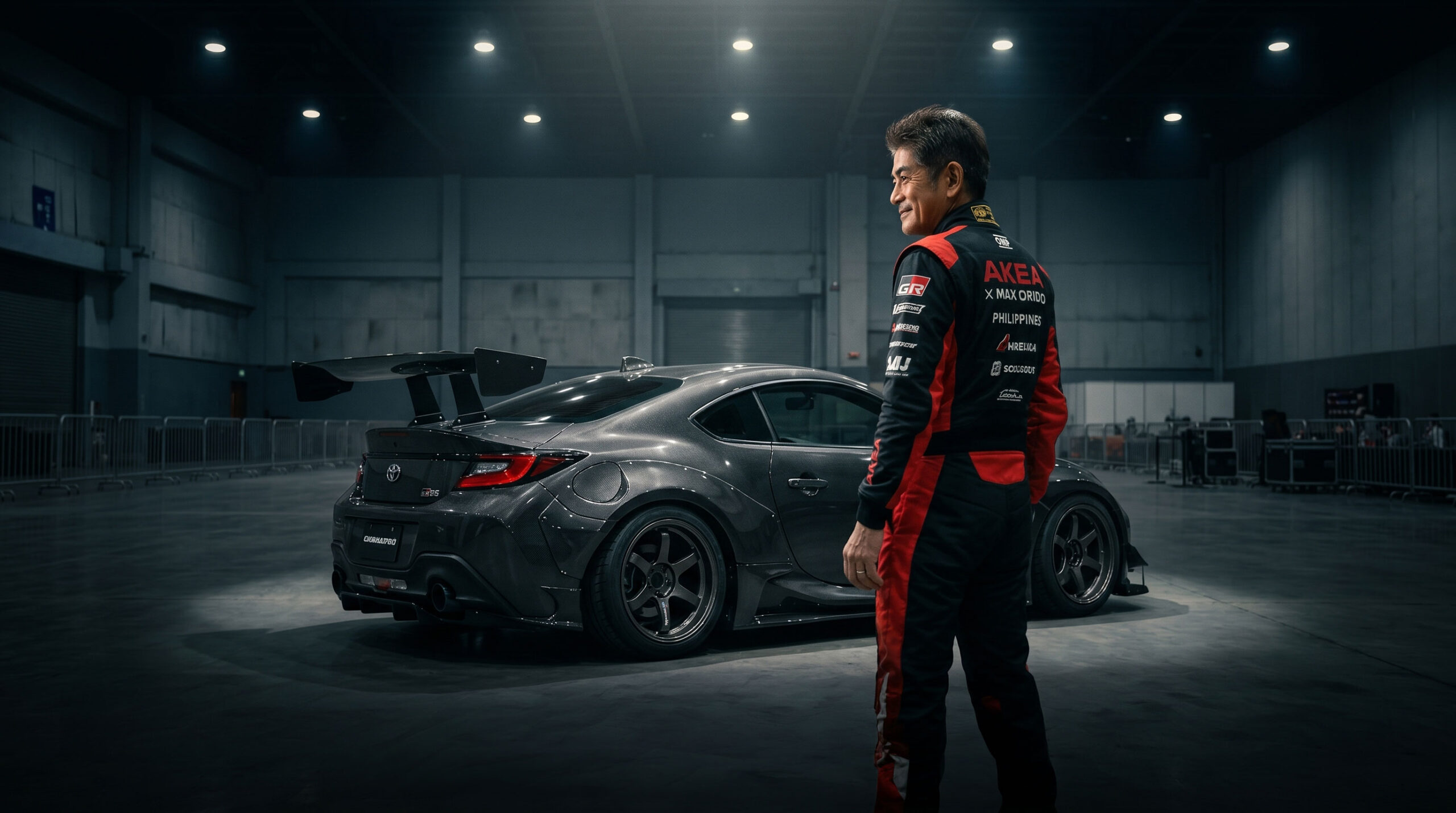
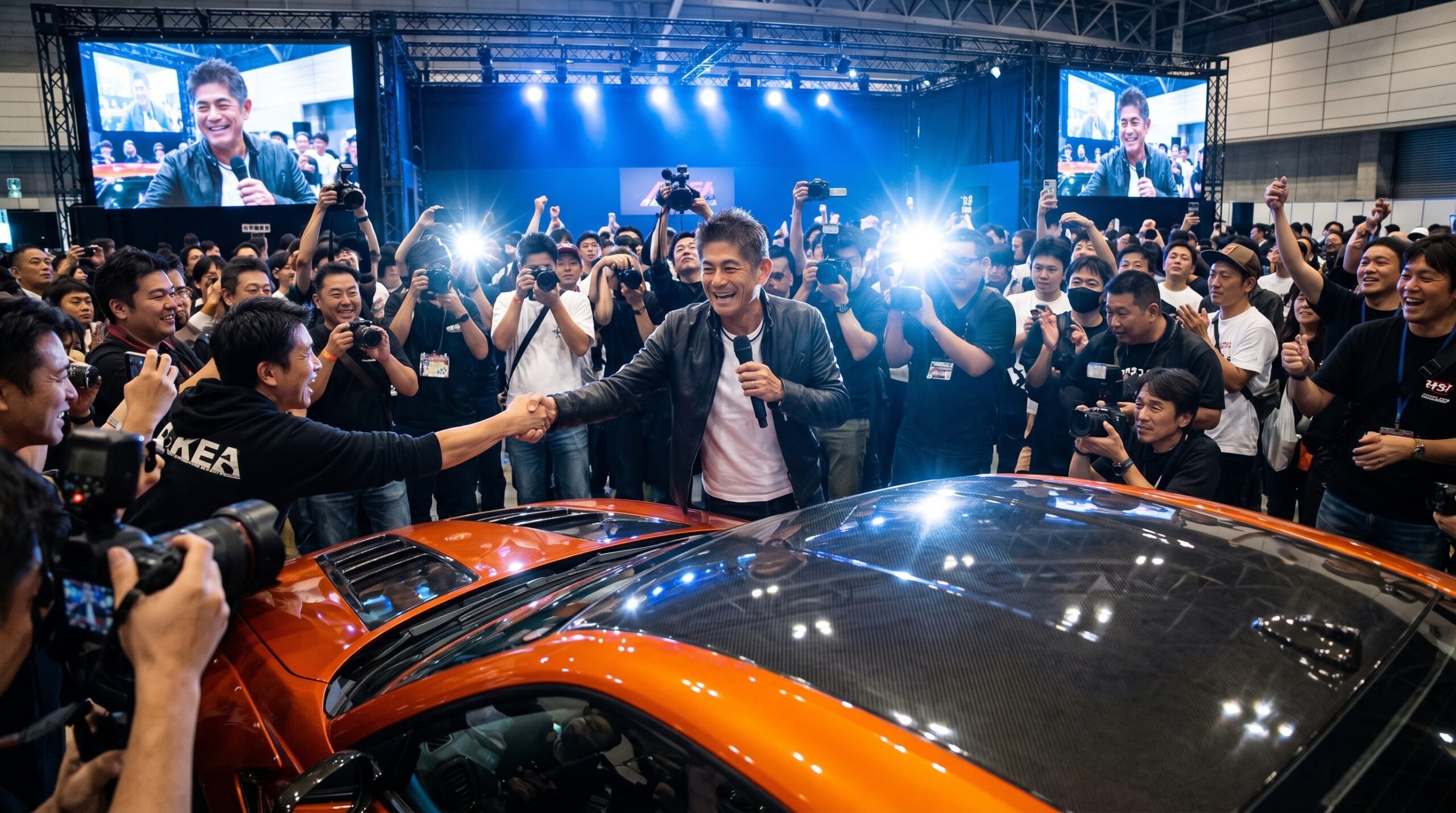
Clear Your Schedules: Legendary Drift King Max Orido is Heading to Manila!

From the Touge to the Circuit: The Unstoppable Evolution of Manabu “Max” Orido

Mark your calendars, Manila. Clear your schedules and get your gear ready, because the legend is landing. On June 17, 2026, Manabu “Max” Orido is pulling up to the Auto Complex, and we at Two and Four are practically vibrating with excitement.

For the local JDM community, this isn’t just another celebrity driver appearance—this is a pilgrimage. Max Orido is automotive royalty. We are talking about the grassroots prodigy who conquered both the underground midnight runs and the absolute pinnacle of professional motorsport.

Forged on the Mountain

There are racing drivers who are forged in the sterile, high-budget environments of karting academies and factory simulators, and then there is Orido. He didn’t start with telemetry data or millionaire sponsors. He cut his teeth in the dead of night on the unforgiving mountain passes—the touge—of Chiba, Japan. Back in an era where street racing was about pure survival and earning respect the hard way, Orido learned vehicle dynamics by pitching cars completely sideways toward concrete barriers. He developed a preternatural sense of balance and car control that didn’t just earn him street cred; it made him a global household name.

His defining breakthrough arrived in 1990. Entering a drift contest organized by CARBOY magazine and sponsored by the Bandoh Chain of Commerce, Orido took the grand championship. That victory wasn’t just a shiny trophy for the shelf; it was his golden ticket out of the underground and straight into the professional paddock.

Conquering the Grip World

While many drift kings stay comfortably within the realm of oversteer, Orido proved his raw, untamed talent translated flawlessly to grip racing. He debuted in the Japanese Grand Touring Championship (JGTC) and immediately silenced any purists who viewed him as “just a street racer.”

In 1997, driving a Nissan Silvia for Racing Project Bandoh, he captured his first GT300 class championship. To prove it was absolutely no fluke, he secured a second GT300 title in 2009, this time piloting a Lexus IS350. His relentless adaptability even took him to the ultimate endurance stage in 2004, where he made his 24 Hours of Le Mans debut in a Porsche 911 GT3 RSR, securing an incredible second-place finish in the GT class.

The Architect of Modern Drifting

Despite all the grip racing glory, the man never abandoned his roots. When the D1 Grand Prix was inaugurated in 2000, formalizing drifting into a legitimate professional motorsport, Orido was right there sitting alongside Keiichi Tsuchiya as a founding judge. He helped shape the rules, the culture, and the sky-high standards of modern drifting we obsess over today.

But sitting behind a judging desk wasn’t enough for a driver with gasoline in his veins. In 2005, he famously stepped down to get back behind the wheel as a competitor, eventually campaigning a raucous, ear-splitting V8-powered Toyota 86 that became an absolute crowd favorite and solidified his reputation as the ultimate showman.

The Legacy Continues

Today, Orido is so much more than a driver; he is a global ambassador for Japanese car culture. Through his legendary shop, MAX ORIDO Racing in Yokohama, and his investments in high-end sim racing facilities, he is still out there pushing the boundaries of automotive performance and driver training.

His visit to the Auto Complex this June isn’t just a celebrity appearance—it is a once-in-a-lifetime chance for Filipino enthusiasts to connect with a living legend. He is the ultimate proof that with enough raw talent, pure passion, and relentless tenacity, the streets can lead straight to the podium.

We at Two and Four will be right there in the crowd, screaming just as loud as the rest of you. See you at the Auto Complex!


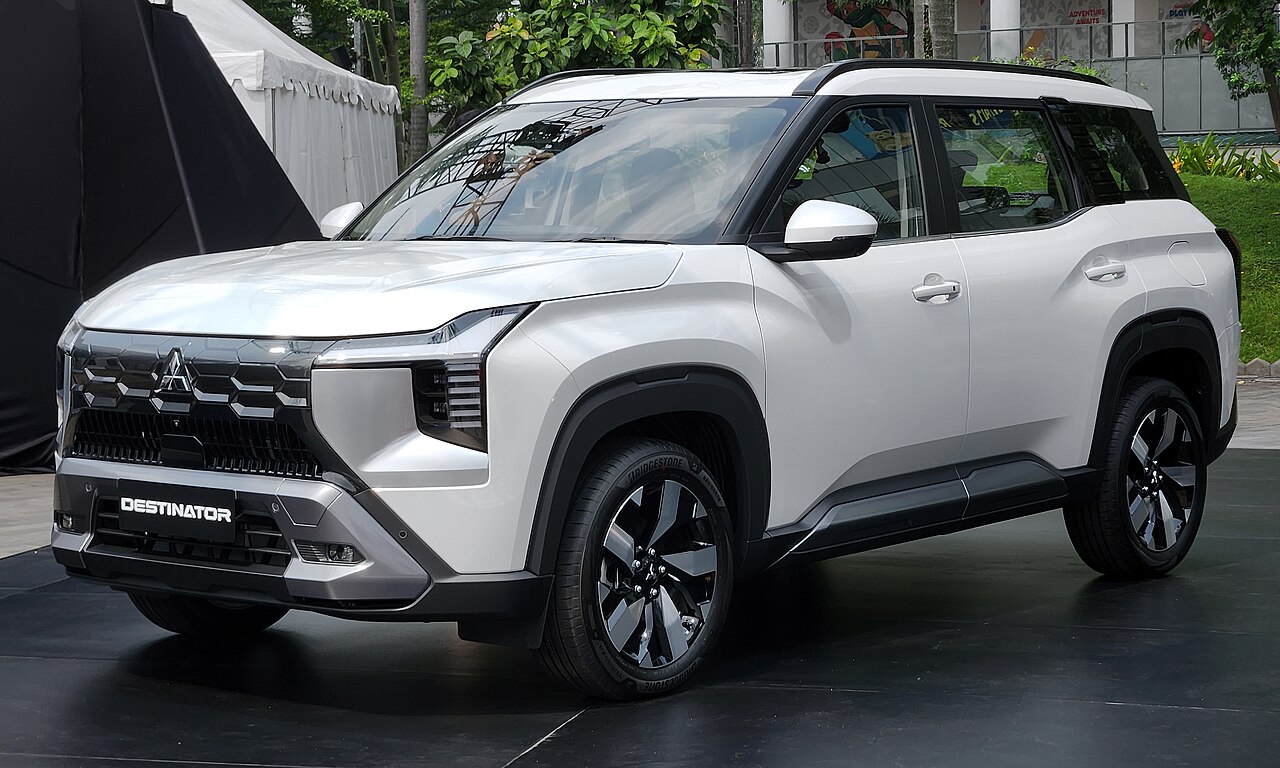
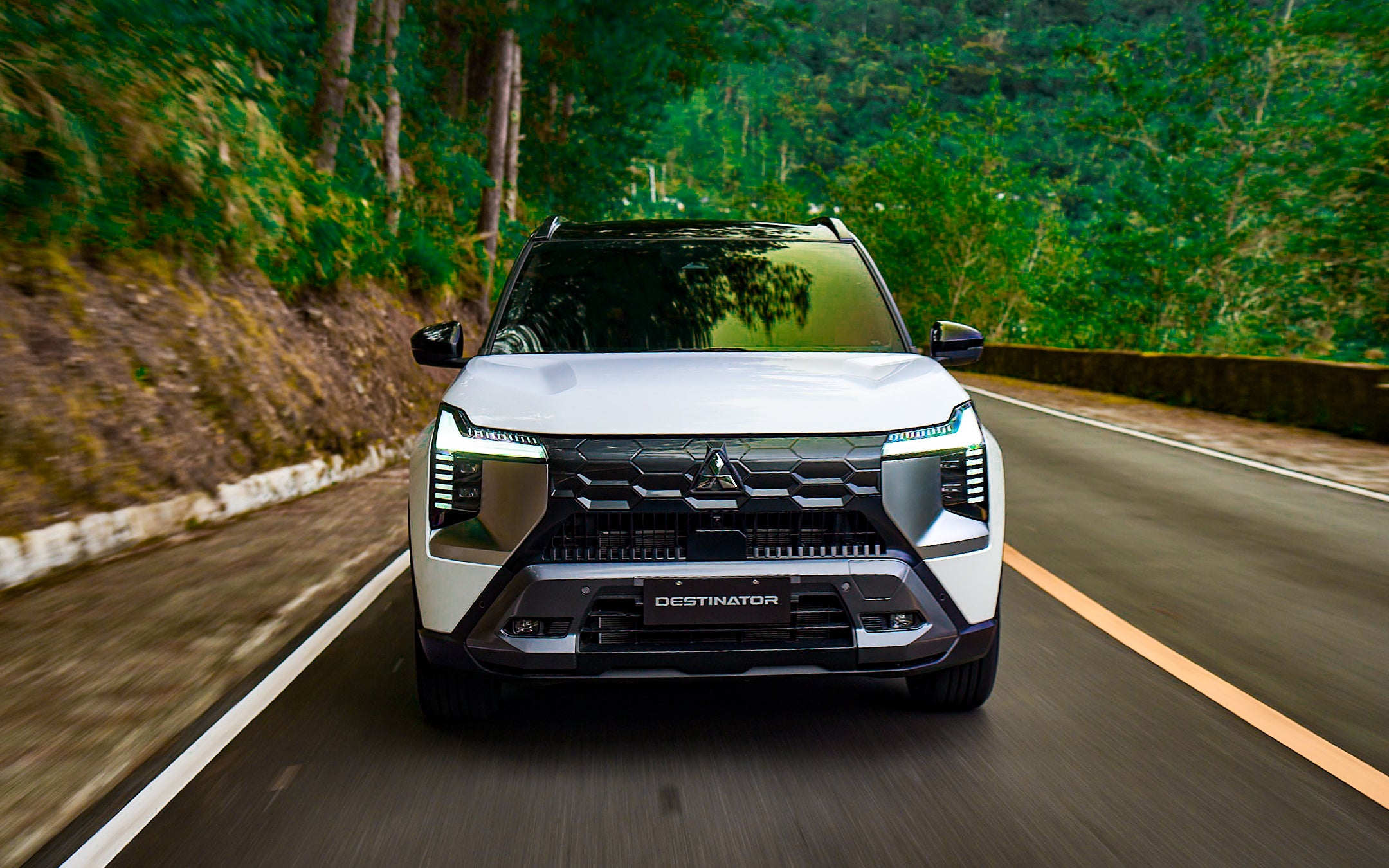
The 2026 Mitsubishi Destinator

Mitsubishi Motors Philippines recently introduced the 2026 Destinator, establishing a new operational tier within its local lineup. Positioned structurally above the XForce and below the ladder-frame Montero Sport, the Destinator serves as a highly capable, seven-seater utility vehicle tailored for multi-passenger transport.

Engine and Thermal Management The Destinator marks the introduction of updated forced-induction mechanics for the brand’s mid-size passenger segment.

  • The Powerplant: It is driven by the second-generation iteration of the 4B40 engine architecture.

  • Induction System: The system utilizes a newly integrated water-cooled turbocharger. This thermal management design regulates operating temperatures more efficiently under load, resulting in consistent throttle response and sustained power delivery when the vehicle is at maximum payload capacity.

Chassis and Application Built to address the gap between compact crossovers and heavy-duty SUVs, the Destinator prioritizes spatial efficiency and ride stabilization.

  • Passenger Capacity: The cabin features a precise three-row layout, accommodating seven passengers with modular folding options for expanded rear cargo volume.

  • Clearance and Geometry: It maintains a high ground clearance suitable for uneven provincial roads and urban flooding scenarios, engineered to avoid the top-heavy handling characteristics typically associated with traditional truck-based platforms.

Market Positioning Available in three distinct variants at launch, the Mitsubishi Destinator carries an introductory baseline price of ₱1,289,000. It offers a calculated, mechanical solution for operators requiring high passenger volume and turbocharged performance within a crossover footprint.

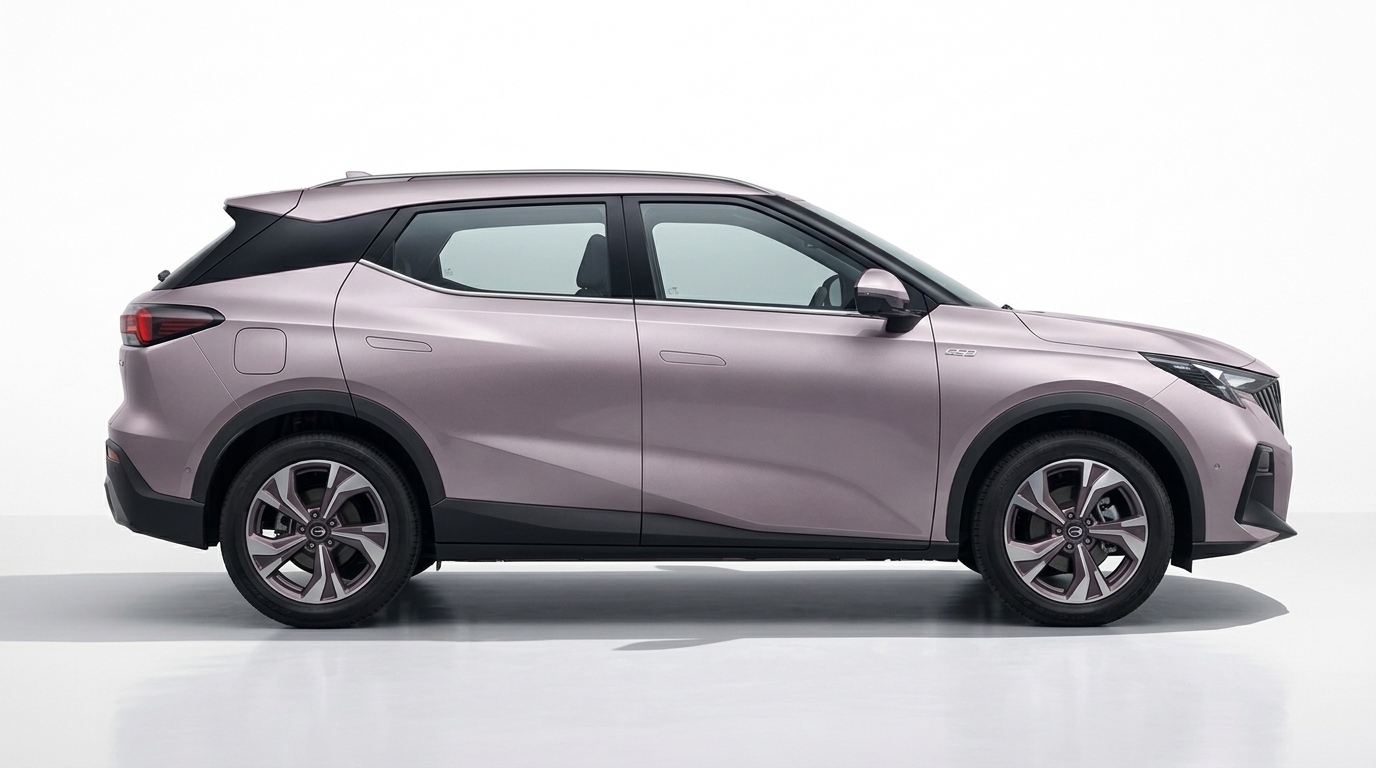
The 2026 GAC Emzoom

The 2026 GAC Emzoom officially entered the Philippine automotive market in late April 2026. Dropping the previous GS3 designation, this updated subcompact crossover focuses on mechanical refinement and upgraded cabin telemetry. Here is an objective look at the specifications of the latest iteration.

Powertrain and Transmission Propulsion is handled by a third-generation 1.5-liter turbocharged gasoline direct injection (TGDI) four-cylinder engine.

  • Performance Metrics: The unit produces 174 horsepower and a peak torque of 270 Nm.

  • Drivetrain: Power is transferred to the front wheels via a 7-speed wet dual-clutch transmission (7WDCT). This powertrain configuration yields a recorded 0-100 km/h acceleration time of 7.5 seconds.

Variant Distinctions and Exterior Design The vehicle is distributed in two primary trims: the standard GB and the top-tier R-Style.

  • GB Variant: Features the standard “Star Diamond” front grille assembly.

  • R-Style Variant: Integrates a Black Edition package featuring a “Flying Wing” grille design, blacked-out badging, electric hidden door handles, auto-folding side mirrors, and an automatic power tailgate.

Telemetry and Safety Systems The interior architecture centers on functional digital displays and automated driver assistance.

  • Central Interface: Both trims utilize a 14.6-inch touchscreen infotainment display supporting direct Apple CarPlay and Android Auto integration.

  • Driver Aids: The R-Style is equipped with a comprehensive Advanced Driver Assist Systems (ADAS) suite. This incorporates Adaptive Cruise Control, Automatic Emergency Braking, Forward Collision Warning, Lane Departure Warning, and Lane Keep Assist.

  • Market Integration: The Emzoom launches with a competitive pricing structure, starting at ₱1,059,900 for the GB and ₱1,159,900 for the R-Style.

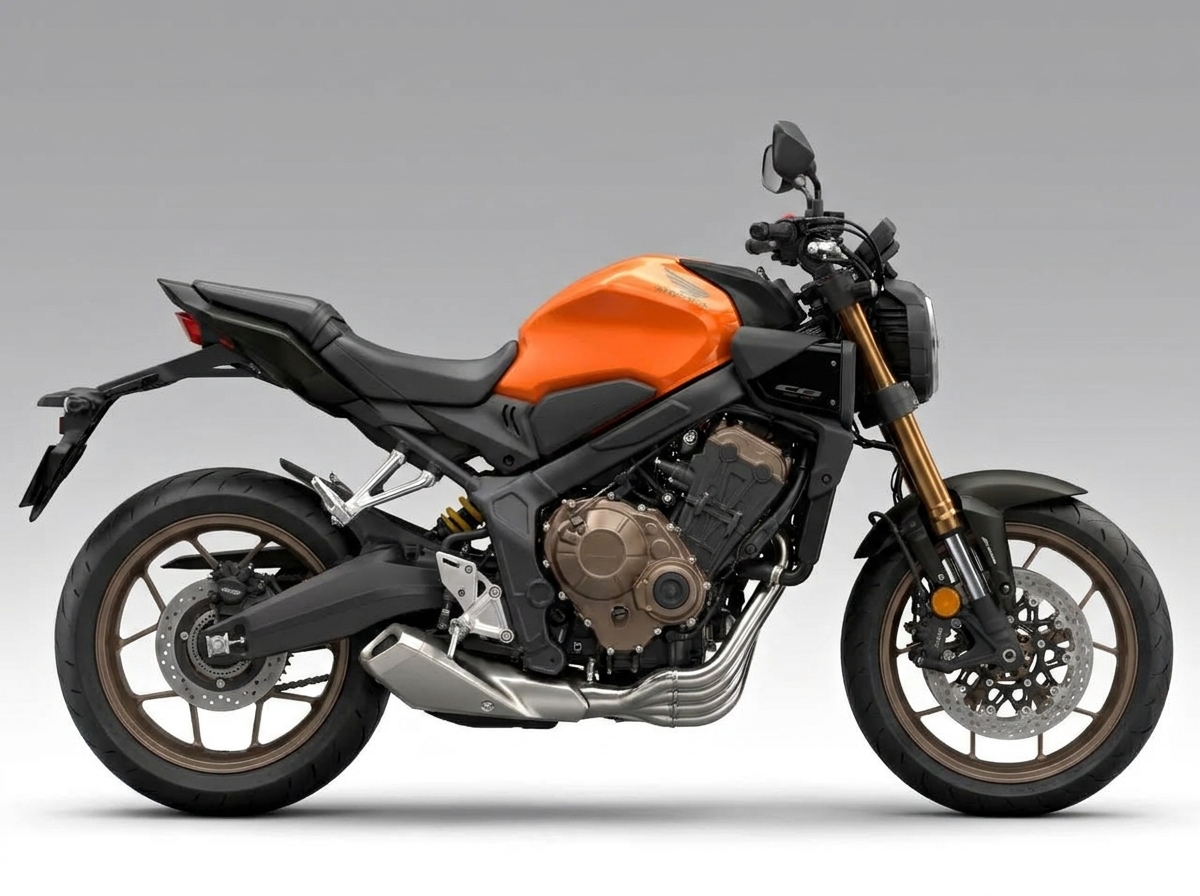
The Next-Gen Explorer: Unpacking the 2026 Honda NX500 E-Clutch

The middleweight adventure segment is arguably the most fiercely contested category in the Philippine motorcycle market. Riders demand a machine lightweight enough to carve through Metro Manila traffic, yet robust enough to tackle the Sierra Madre loop or an unpaved Cordillera trail on the weekend.

Fresh off its official unveiling at the Makina Moto Expo 2026, Honda Philippines has introduced its latest answer to that demand: the Honda NX500. Serving as the evolutionary successor to the beloved CB500X, the NX500 brings sharper geometry, modern telemetry, and one massive technological leap—the E-Clutch system. Here is a technical breakdown of the new adventure standard.

Powertrain and the E-Clutch Revolution

At its core, the NX500 is powered by Honda’s proven 471cc liquid-cooled, parallel-twin engine. It delivers a smooth, linear powerband that is predictable on loose gravel but packs enough mid-range punch for aggressive highway overtakes.

However, the real engineering marvel of the 2026 model is the integration of Honda’s E-Clutch System.

  • How It Works: This is not a fully automatic transmission like Honda’s DCT. The E-Clutch allows the rider to start from a dead stop, shift up and down through the gearbox using the foot pedal, and come to a complete halt—all without ever pulling the clutch lever.

  • The Benefit: In highly technical off-road scenarios where stalling is a risk, or during hours of stop-and-go city traffic, the E-Clutch drastically reduces rider fatigue. For purists, the system can be toggled off, returning the bike to a traditional manual clutch experience instantly.

Chassis and Suspension Geometry

Honda has shaved off unsprung weight to make the NX500 more agile than its predecessor.

  • The Wheels: It utilizes new cast-aluminum wheels (a 19-inch front and 17-inch rear) featuring a 5-spoke Y-shaped design. This reduces rotational mass, resulting in lighter, more responsive steering feedback on tight trails.

  • Suspension: The front end is planted with 41mm Showa Separate Function Fork Big Piston (SFF-BP) inverted forks. This setup separates the damping and spring functions between the two fork legs, providing superior reaction to severe trail impacts and washboards while maintaining composure under heavy front braking.

  • Braking: Stopping power is handled by dual 296mm front discs gripped by axial-mounted two-piston calipers, backed by standard dual-channel ABS.

Telemetry and Navigation Integration

Adventure riding requires clear data visibility, and the analog displays of the past have been completely phased out.

  • The Display: The cockpit is dominated by a new 5-inch full-color TFT screen. Honda utilizes an optical bonding process to inject resin between the display and the glass cover, completely eliminating glare and ensuring maximum readability even under harsh, direct midday sunlight.

  • Connectivity: The system features Honda RoadSync, allowing the rider to link their smartphone via Bluetooth. Through an intuitive backlit toggle switch on the left handlebar, riders can manage turn-by-turn navigation, monitor weather updates, and control media without taking their hands off the grips or their eyes off the trail.

The Verdict

Available locally in Pearl Horizon Black and Matte Gunpowder Black Metallic, the 2026 Honda NX500 successfully bridges the gap between daily utility and off-grid exploration. By combining the legendary reliability of Honda’s 500-class parallel-twin with the revolutionary E-Clutch technology and a modernized suspension setup, it is built to be a relentless, fatigue-free overland machine.

The New Kid on the Dirt: Unpacking the 212 T01 Off-Roader

The New Kid on the Dirt: Unpacking the 212 T01 Off-Roader

The 2026 Manila International Auto Show (MIAS) didn’t just bring new models to the Philippines; it introduced an entirely new brand. Dedicated strictly to 4x4s and serious trail machines, 212 Motor Philippines has made its entrance with a single, highly capable model: the 212 T01.

Tracing its lineage back to China’s legendary BAW BJ212 off-roader from the 1960s, this modern iteration abandons the crossover trend entirely. It is a boxy, body-on-frame utility vehicle designed specifically to conquer deep water and technical terrain. Here is a look at the hardware that makes the T01 a genuine fortress for both urban floods and weekend overland routes.

The Hardware and Geometry

The T01 is built from the ground up as a dedicated 4×4, prioritizing mechanical grip and articulation over aerodynamic highway efficiency.

  • Chassis and Suspension: Underneath the retro-boxy shell lies a heavy-duty body-on-frame platform. It utilizes a 5-link solid axle suspension system, allowing for maximum wheel articulation when navigating deep ruts or rocky inclines.

  • Clearance and Wading: Built for the realities of the Philippine climate, the T01 boasts a commanding 235 mm of ground clearance. More impressively, it features a massive 850 mm water-wading depth directly from the factory, making it exceptionally capable during monsoon season.

Powertrain and Drivetrain

While many new entries at MIAS 2026 pushed hybrid and electric platforms, the 212 T01 sticks to the relentless reliability and low-end grunt of a traditional diesel engine.

  • The Engine: Power is generated by an AUCAN 2.0-liter turbocharged diesel engine.

  • The Output: It produces a steady 168 horsepower and a very healthy 415 Nm of torque. This torque figure is exactly what you want when crawling over obstacles or pulling the heavy frame out of thick mud.

  • Transmission: The engine is mated to a highly reputable ZF 8-speed automatic transmission, ensuring smooth gear transitions whether cruising on the highway or locked in low-range off-road conditions.

4×4 Capability and Cabin Tech

Despite its rugged, old-school exterior design, the mechanical and digital systems managing the traction are thoroughly modern.

  • Traction Control: Power is routed through a selectable four-wheel-drive (4WD) system. To ensure it doesn’t get stuck when the trail gets severe, it comes equipped with both front and rear differential locks, along with dedicated, terrain-specific off-road driving modes.

  • The Interior: Opening the doors reveals a cabin that contrasts sharply with the utilitarian exterior. It features plush leather upholstery and modern digital interfaces, including a 10.25-inch digital gauge cluster for the driver and a 12.3-inch central infotainment screen. Crucially for trail driving, it integrates a 360-degree camera system to help spot hidden obstacles on tight tracks without needing to step out of the vehicle.

The Verdict

The 212 T01 is a refreshing counter-punch to the increasingly soft, crossover-dominated SUV market. It doesn’t pretend to be a sporty city car. It is an unapologetically rugged, diesel-powered 4×4 built for those who require genuine off-road capability and high water-wading limits, wrapped in a classic aesthetic.

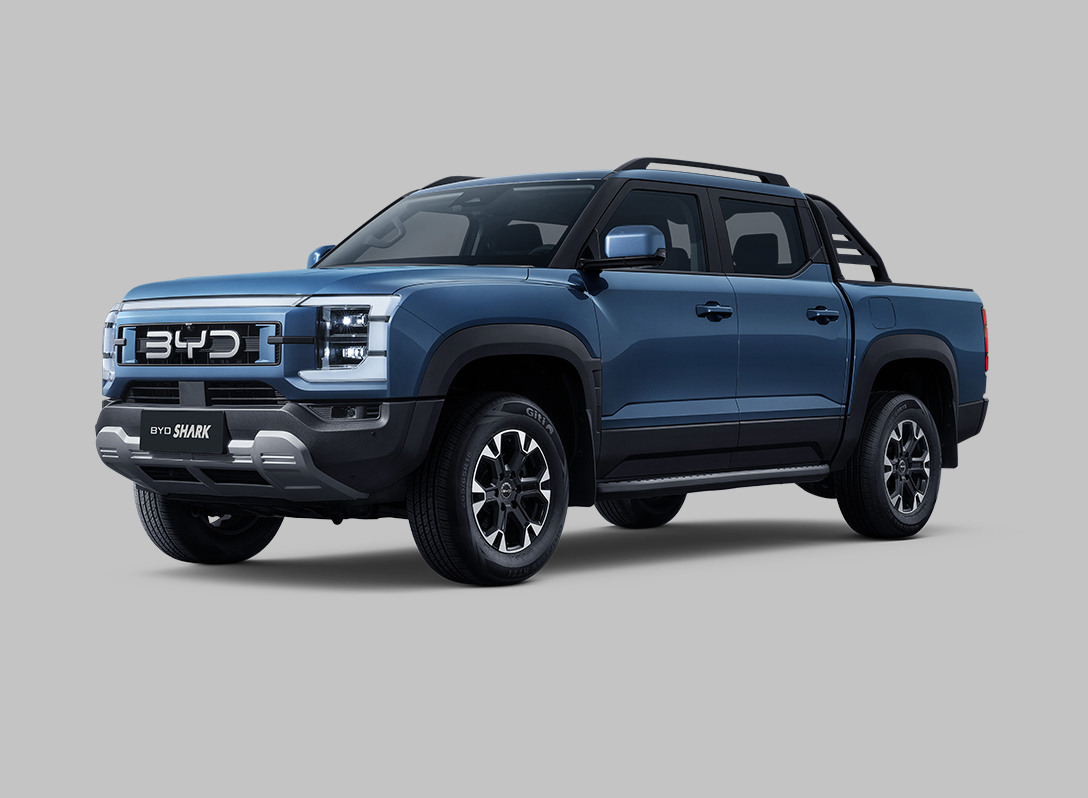
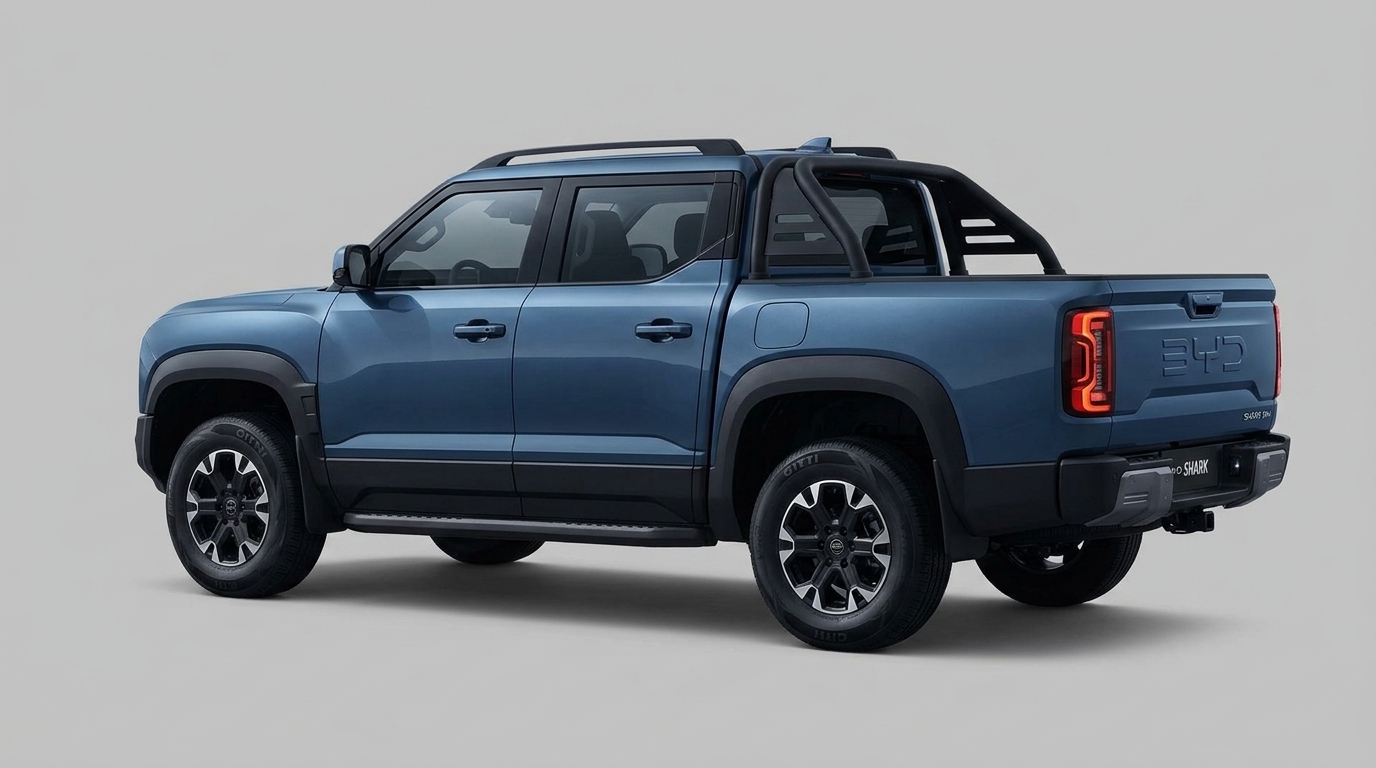
The Electrified Utility: A Technical Breakdown of the BYD Shark 6 DMO

BYD Shark 6 DMO | Advanced Hybrid Pickup with Intelligent Features

The Electrified Utility: A Technical Breakdown of the BYD Shark 6 DMO

The pickup truck segment in the Philippines is highly competitive, traditionally dominated by diesel-powered utility vehicles. However, BYD has introduced a significant shift in this category with the release of the BYD Shark 6 DMO.

Recently showcased at the Manila International Auto Show (MIAS) 2026 and fresh off setting a Guinness World Record for the most cities visited in a continuous journey by a Plug-in Hybrid Electric Vehicle (PHEV) across the Philippines, the Shark 6 DMO is a highly relevant vehicle for the local market. Here is a direct look at the technical specifications and engineering behind BYD’s electrified pickup.

Powertrain and DMO Architecture

The Shark 6 operates on BYD’s Dual Mode Off-Road (DMO) Super Hybrid platform. This is a PHEV system designed specifically for heavy utility and off-road applications.

  • Engine and Motors: The system utilizes a longitudinally mounted 1.5-liter turbocharged four-cylinder engine paired with dual electric motors (one on the front axle and one on the rear).

  • Power Output: The combined output of the internal combustion engine and electric motors generates over 430 horsepower. This configuration allows the heavy utility vehicle to accelerate from 0 to 100 km/h in under 6 seconds.

  • Battery and Range: It is equipped with BYD’s ultra-safe Blade Battery, integrated directly into a high-strength steel frame (Cell-to-Chassis technology). The battery provides an electric-only range suitable for daily city commuting, while the combined hybrid system extends the total operational range, eliminating range anxiety during long provincial transit.

  • Drive Modes: The system features intelligent torque distribution, seamlessly switching between EV mode and Hybrid mode depending on the load, speed, and terrain resistance.

Chassis and Suspension Engineering

To handle high payload capacities and technical off-road conditions, the Shark 6 utilizes a specialized suspension architecture rather than standard leaf springs.

  • Suspension Layout: It features a fully independent double-wishbone suspension system for both the front and the rear. This design maximizes tire contact on uneven terrain and significantly reduces cabin vibration compared to traditional solid rear axle setups.

  • Traction Control: The DMO platform relies on electric motor torque vectoring rather than a traditional mechanical transfer case. The front and rear motors independently adjust power output in milliseconds, providing instant traction to the wheels with the most grip during low-traction ascents or mud driving.

Cabin Telemetry and Utilitarian Features

The interior is designed to balance driver comfort with functional utility, utilizing digital interfaces to monitor the complex hybrid system.

  • Digital Interfaces: The dashboard features a large rotating central infotainment screen that controls vehicle diagnostics, energy flow monitoring, and multimedia integration (Apple CarPlay and Android Auto). A dedicated digital instrument cluster provides real-time data on battery state-of-charge, engine RPM, and terrain modes.

  • Vehicle-to-Load (V2L): One of the most critical utility features is the V2L capability. The Shark 6 can output 220V AC power directly from its battery to external outlets located in the truck bed. This allows operators to power power tools, heavy lighting equipment, or campsite appliances in remote areas without needing a standalone generator.

Market Positioning

Priced dynamically between ₱2.098 Million and ₱2.298 Million, the BYD Shark 6 DMO introduces a highly technical, alternative powertrain to the Philippine pickup market. By combining the heavy payload capabilities of a traditional truck with the high torque and efficiency of a PHEV platform, it provides a functional solution for both urban driving and off-grid utility.

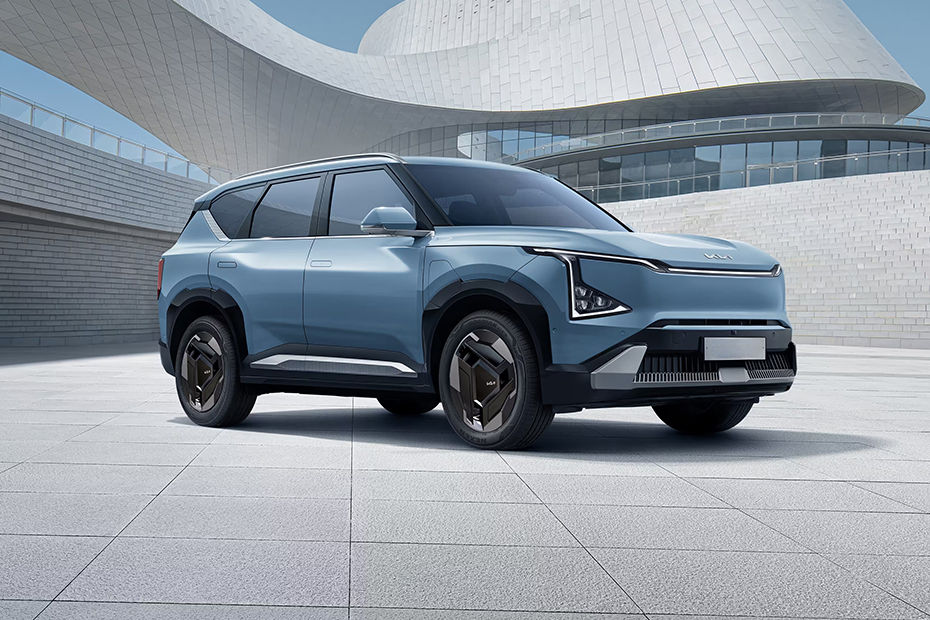
The Electric Vanguard: A First Look at the 2026 Kia EV5

Kia EV5 2026 Front Angle Low View

The electric revolution in the Philippines is moving fast, and the compact electric SUV segment just got significantly more competitive. Fresh off its official showcase at the Manila International Auto Show (MIAS) 2026, the all-new Kia EV5 has landed.

Taking heavy design inspiration from its massive, flagship sibling—the EV9—the EV5 distills that premium, futuristic aesthetic into a much more accessible and urban-friendly package. Here is a technical breakdown of what makes Kia’s latest fully electric vehicle a serious contender.

Powertrain and Range

Kia designed the EV5 to balance daily drivability with long-range capability, built on a dedicated electric architecture.

  • Performance: The EV5 is driven by a front-mounted electric motor that delivers a punchy 214 horsepower. Being an EV, that power translates to immediate, linear torque the second you touch the pedal, making city overtaking and highway merging effortless.

  • Battery Capability: Range anxiety is quickly becoming a thing of the past. The EV5 boasts an impressive maximum range of up to 550 kilometers on a single charge. That is more than enough to handle a full week of Metro Manila traffic or a weekend run to the provinces without constantly checking the battery gauge.

  • Charging: It supports fast-charging capabilities, allowing the battery to go from a 10% to 80% charge in a matter of minutes at a compatible DC fast-charging station.

Design and Aerodynamics

Visually, the EV5 stands out from the rounded, swept-back look of many modern crossovers. Kia’s “Opposites United” design philosophy gives it a distinctly bold and boxy stance.

  • The Digital Tiger Face: The traditional front grille is gone, replaced by a sharp, geometric front fascia featuring Kia’s signature Star Map lighting.

  • Efficiency Meets Style: Despite its muscular, upright silhouette, the design is highly aerodynamic. Flush door handles and specially designed aero-wheels help the EV5 cut through the air with minimal drag, directly contributing to its 550-kilometer range.

Cabin Technology and Practicality

Step inside, and it becomes clear that Kia intended for the EV5 cabin to feel more like a modern, minimalist lounge than a traditional car interior.

  • The Digital Command Center: The dashboard is dominated by a massive, sweeping panoramic display. This seamlessly integrates the digital instrument cluster with the central infotainment touchscreen, providing the driver with crisp telemetry and intuitive access to Apple CarPlay, Android Auto, and the vehicle’s core management systems.

  • Space and Comfort: Because it is built on a dedicated EV platform rather than a modified gas-powered chassis, there is no transmission tunnel. This allows for a completely flat floor, vastly improving legroom and overall comfort for all five passengers.

The Verdict

Available in two distinct trims—the GL at ₱2,298,000 and the top-tier GLS at ₱2,698,000—the 2026 Kia EV5 successfully bridges the gap between high-end electric luxury and everyday utility. It offers the aggressive styling of a much larger SUV, packed with the tech and range required to make the switch to full electric a seamless experience.

For those looking to enter the EV space without compromising on versatility, the Kia EV5 demands a spot at the top of the test-drive list.