Category: Moto

The Hyper-Naked Standard: Analyzing the 2026 Yamaha MT-09

The Philippine heavyweight naked bike segment demands a balance between aggressive urban agility and sustained highway power. For years, Yamaha’s “Master of Torque” lineage has dominated this category. The newly updated 2026 Yamaha MT-09 continues to push the boundaries of the hyper-naked class, bringing a refined chassis, advanced telemetry, and a relentless powertrain to the local streets.
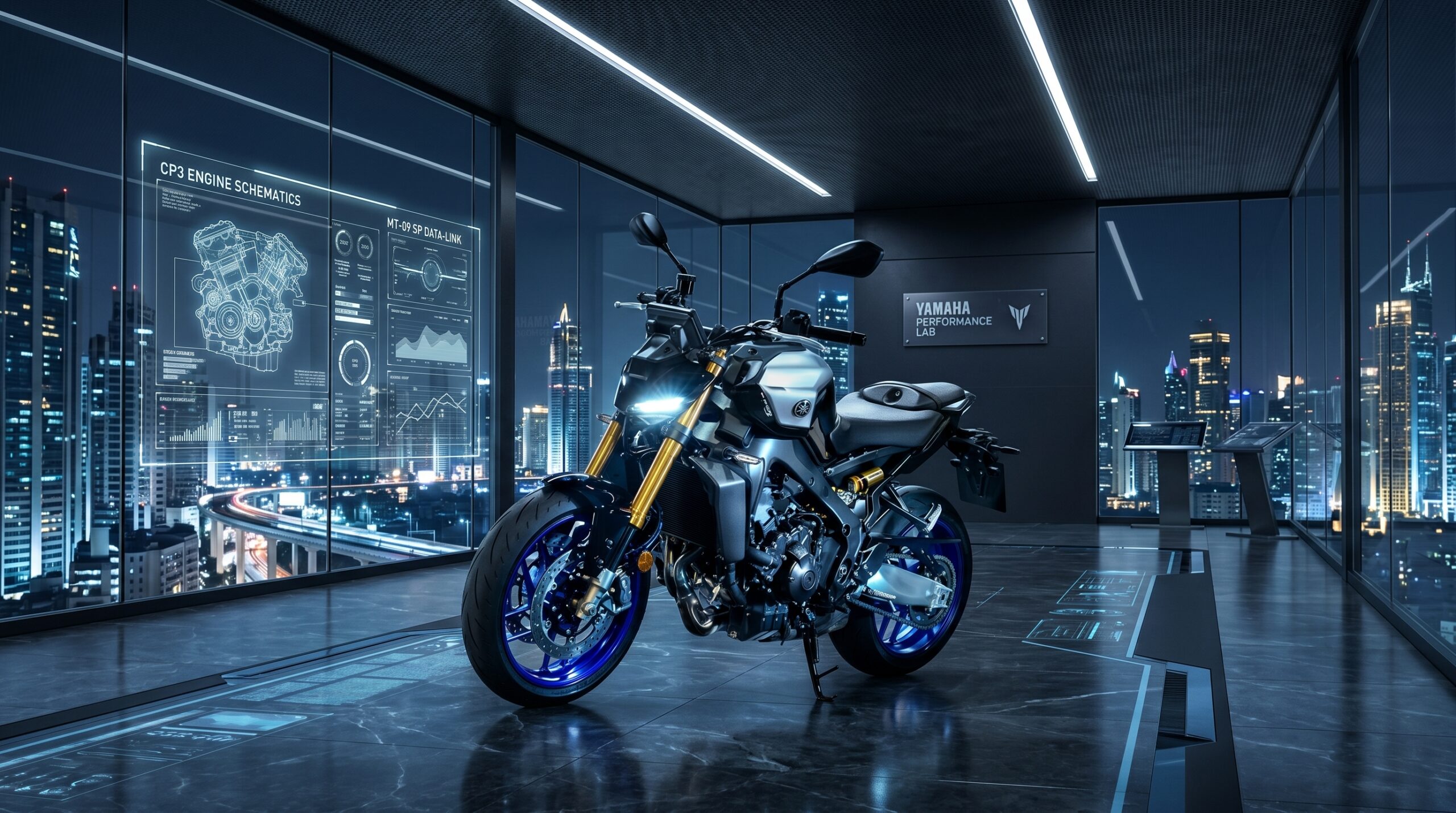
Here is a technical analysis of the hardware that makes the MT-09 a definitive streetfighter.

Powertrain and the CP3 Architecture

The defining characteristic of the MT-09 is its powerplant. Yamaha continues to rely on its highly acclaimed CP3 (Crossplane 3) engine architecture.

  • Engine Specifications: It is powered by an 890cc liquid-cooled, inline three-cylinder engine.

  • Performance Output: The unit generates an aggressive 117 horsepower at 10,000 rpm and a peak torque of 93 Nm at 7,000 rpm. The CP3 design provides a unique firing order that delivers the low-end punch of a twin-cylinder while maintaining the high-revving top-end rush of an inline-four.

  • Drivetrain: Power is managed by a 6-speed manual transmission integrated with an Assist and Slipper clutch. This reduces clutch lever effort by 20% and prevents rear-wheel lockup during aggressive deceleration and rapid downshifts.

2026 MT-09 - Yamaha Motor Canada

Chassis Geometry and Suspension

To manage the violent torque delivery of the CP3 engine, the MT-09 utilizes a highly rigid, sport-oriented structural layout.

  • The Frame: It relies on a lightweight, cast-aluminum diamond frame. This construction keeps the kerb weight down to an exceptional 189 kg, resulting in a power-to-weight ratio that makes the bike highly flickable in tight urban corners.

  • Damping Systems: The front end is planted via fully adjustable 43mm inverted telescopic forks. The rear utilizes a linkage-type mono-shock with adjustable rebound and preload, allowing the rider to dial in the suspension geometry for either track-day rigidity or compliant street touring.

  • Braking: Stopping power is provided by dual front disc brakes with radial-mounted calipers and a single rear disc, governed by a highly advanced cornering ABS system.

Telemetry and Rider Aids

The 2026 model integrates a comprehensive suite of electronic driver aids derived directly from Yamaha’s YZF-R1 superbike platform.

  • The IMU: At the core of the electronics is a 6-axis Inertial Measurement Unit (IMU). This system constantly monitors the pitch, roll, and yaw of the motorcycle.

  • Traction and Control: The IMU feeds data to a highly adjustable three-way Traction Control System (TCS), Slide Control System (SCS), and front-wheel Lift Control System (LIF). These systems work in tandem to keep the 180/55 rear tire planted under heavy acceleration, even at extreme lean angles.

  • Instrumentation: All telemetry is monitored through a sharp, full-color TFT display, allowing the operator to toggle seamlessly between multiple riding modes (including a dedicated Sport mode) to adjust the engine mapping and throttle response on the fly.

Market Positioning

With an official retail price of ₱799,000, the 2026 Yamaha MT-09 remains a premium but highly competitive option in the hyper-naked segment. It offers a calculated, mechanical solution for riders requiring superbike-level electronics and relentless mid-range torque within an upright, urban-friendly ergonomic package.
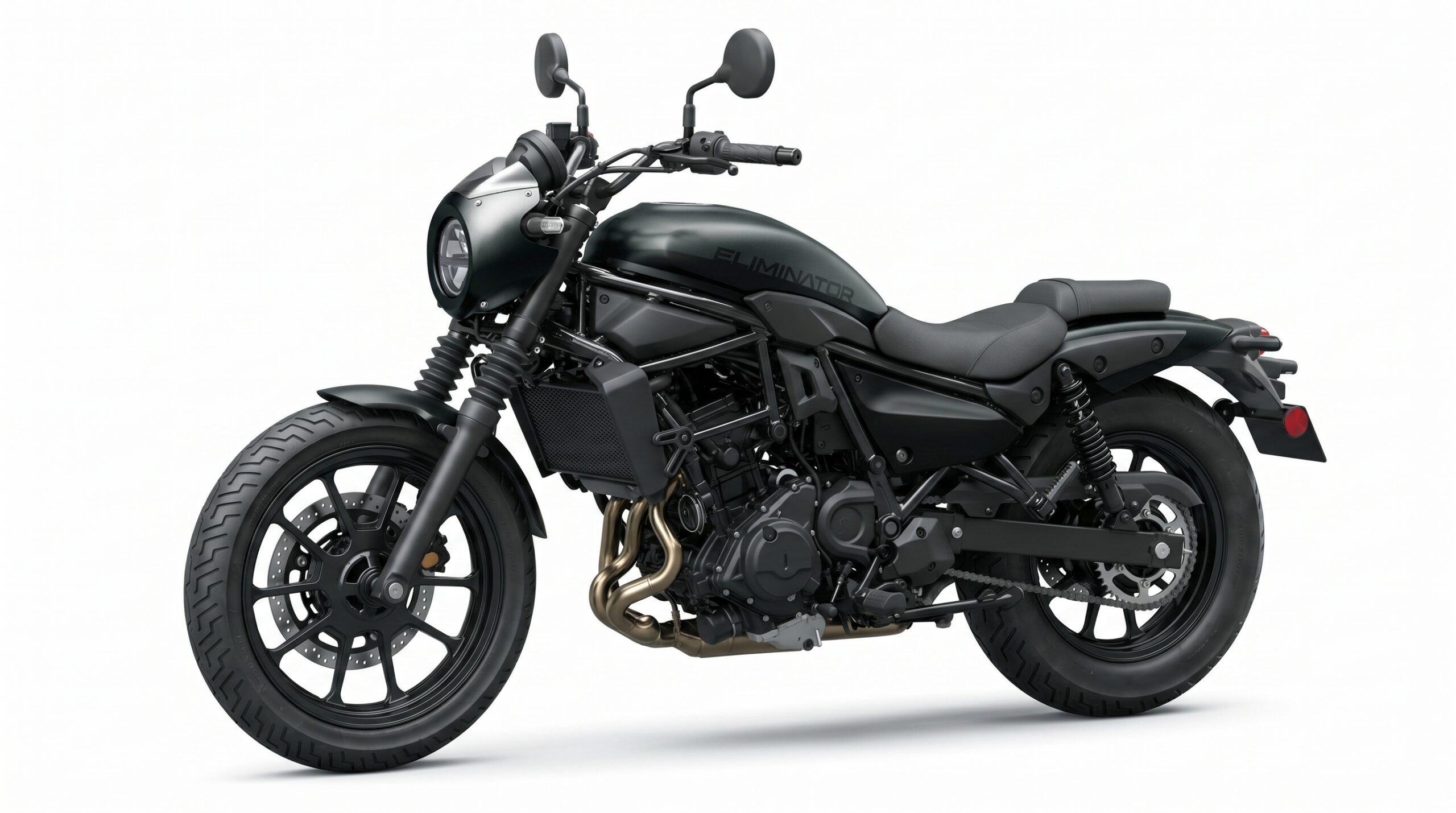
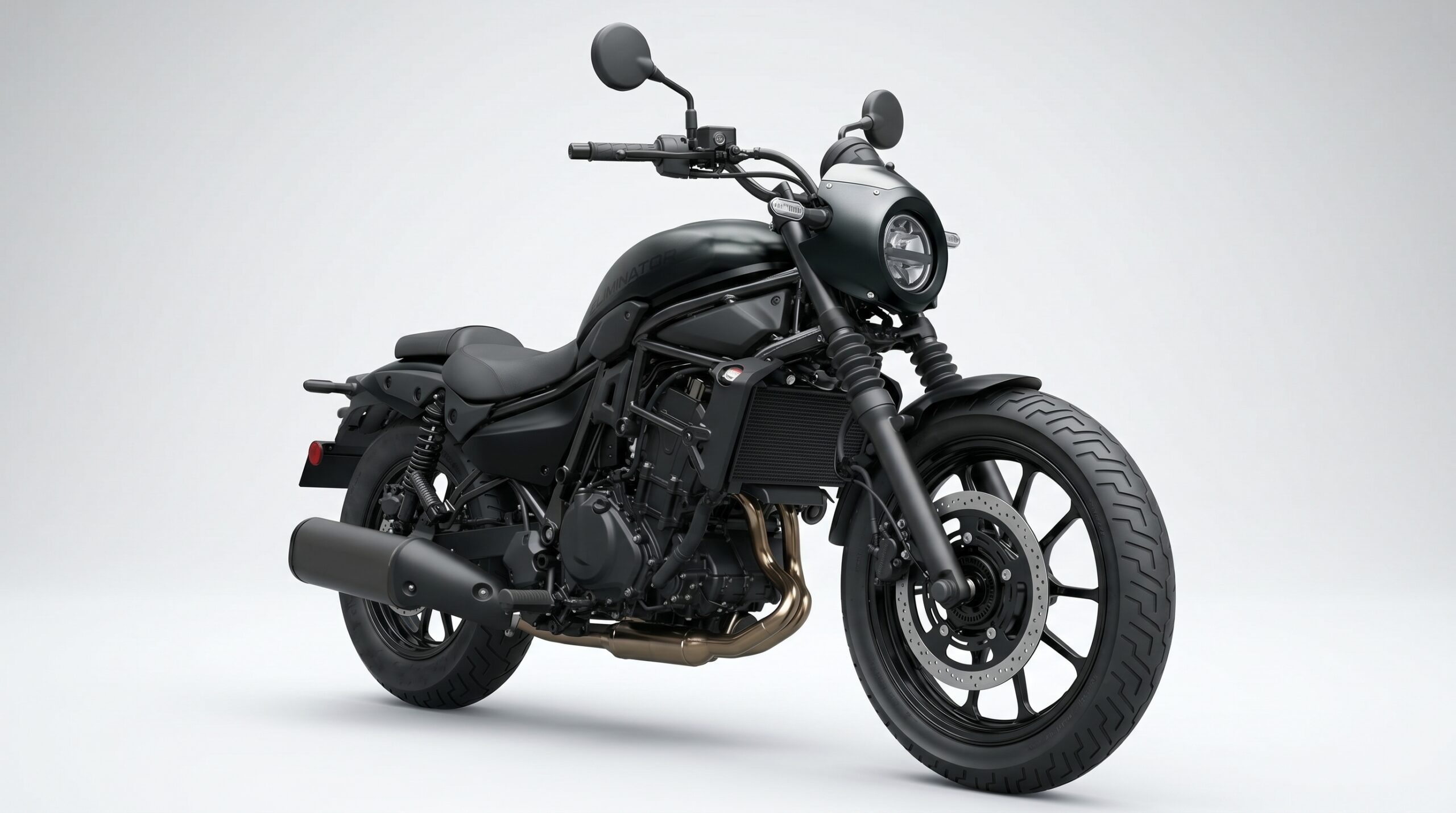
Urban Geometry: A Technical Look at the 2026 Kawasaki Eliminator 500

The middleweight cruiser category has seen a massive resurgence, pivoting away from heavy, chrome-laden V-twins toward agile, performance-oriented parallel-twins. Kawasaki has aggressively re-entered this space with the 2026 Eliminator 500, dropping the classic namesake onto a thoroughly modern architecture. Here is an objective breakdown of the platform’s mechanical and ergonomic systems.

Powertrain and Delivery Instead of developing a new, low-revving cruiser engine from scratch, Kawasaki utilized a proven high-performance platform.

  • The Engine: The Eliminator is powered by a 451cc, liquid-cooled, DOHC parallel-twin engine, a displacement bump directly derived from their Ninja sportbike lineage but retuned specifically for urban tractability.

  • Performance Output: It delivers a healthy 52 horsepower and 42.6 Nm of torque. The engine tuning heavily emphasizes low-end and mid-range torque, providing immediate, predictable roll-on power for highway overtaking without needing to wring out the throttle.

  • Transmission: Power is managed by a 6-speed manual transmission equipped with an Assist and Slipper clutch. This significantly lightens the clutch lever pull during heavy stop-and-go traffic and prevents rear-wheel hop during rapid downshifting.

Chassis Architecture and Ergonomics The Eliminator departs from traditional heavy cruiser frames, utilizing sport-oriented construction to minimize mass.

  • The Frame: It relies on a high-tensile steel trellis frame, a design choice that keeps the kerb weight down to an exceptionally light 176 kg. This results in a power-to-weight ratio that makes the bike highly responsive during tight urban maneuvers.

  • Suspension Geometry: The front end utilizes 41mm telescopic forks, while the rear features a classic twin-shock setup optimized for straight-line stability and passenger comfort.

  • Rider Positioning: True to the cruiser ethos, it features a highly accessible 735mm seat height. Paired with mid-mounted footpegs rather than extreme forward controls, it creates a natural, upright riding triangle that reduces lower back fatigue on longer transit routes.

Telemetry and the SE Package The cockpit strips away analog bulk in favor of streamlined, digital instrumentation.

  • Instrumentation: Vehicle data is centralized in a single, compact circular LCD digital display. It provides clear readouts for the tachometer, gear position indicator, and fuel gauge, integrating seamless smartphone connectivity via Kawasaki’s Rideology application.

  • The SE Variant: For operators seeking expanded utility, the Eliminator SE variant comes factory-equipped with functional upgrades. This includes a compact headlight cowl for high-speed wind deflection, rubber fork boots for stanchion protection against trail debris, and an integrated, waterproof USB-C outlet mounted on the handlebars to power navigation devices.

Market Positioning Priced at ₱366,000 for the standard model and ₱386,400 for the SE variant, the 2026 Kawasaki Eliminator 500 offers a highly accessible but mechanically robust entry into the cruiser segment. By combining the aggressive styling of a low-slung street bike with the high-revving DNA of a sport bike engine, it delivers a modern, agile solution for the everyday rider.

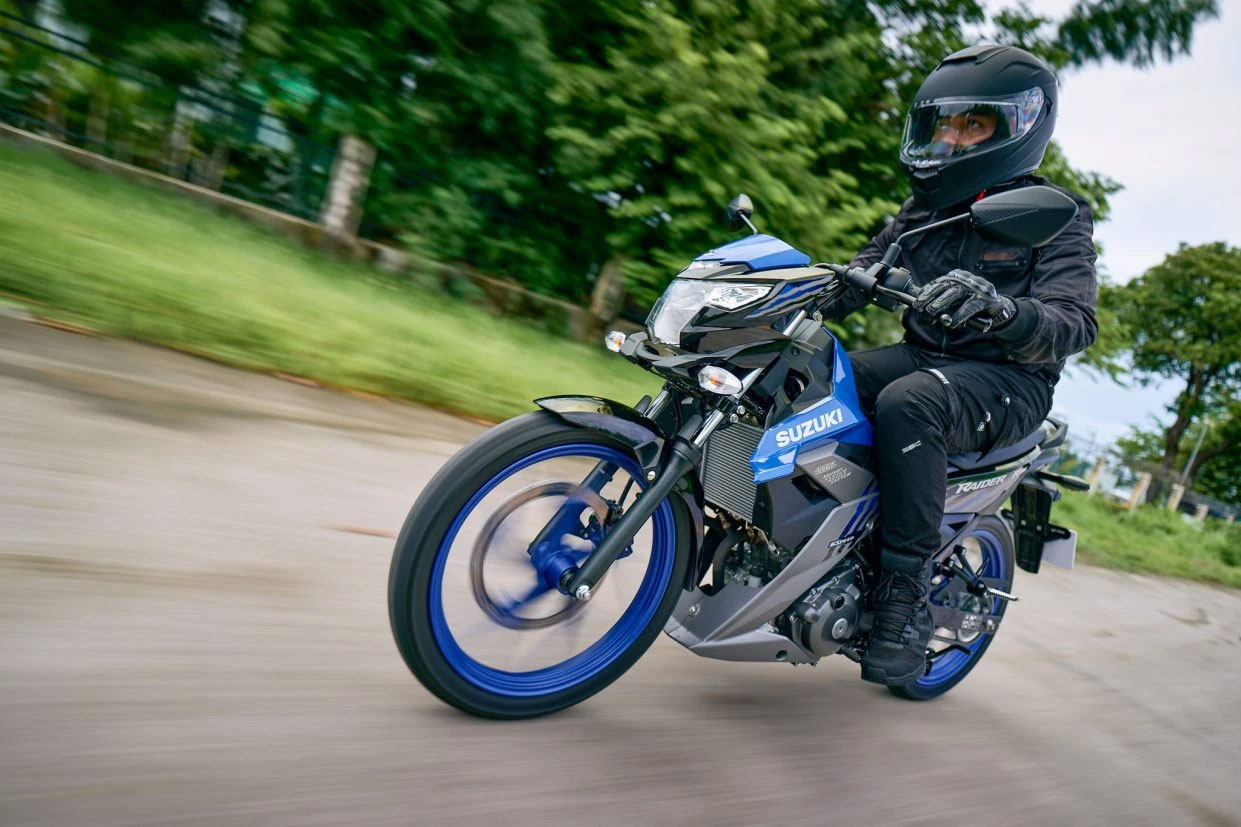
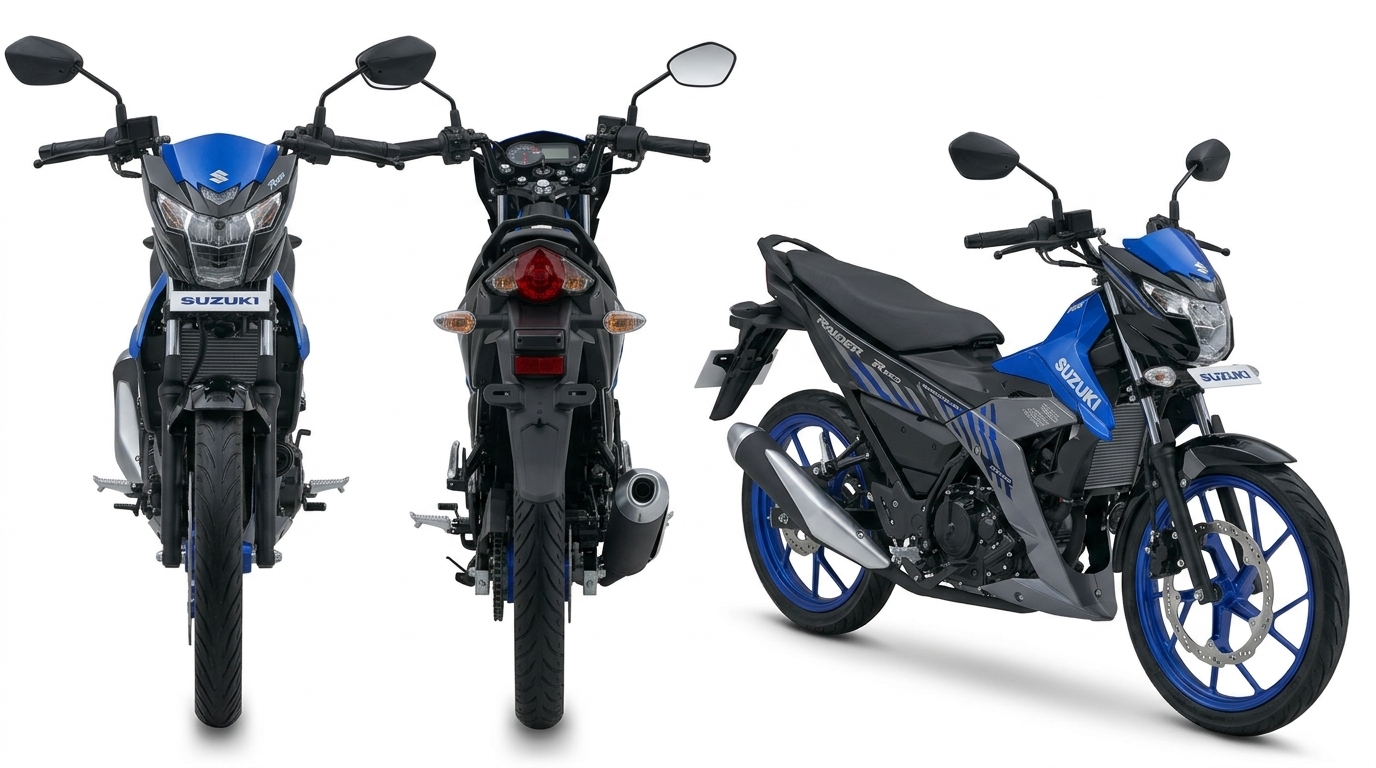
Sharpening the King: The Suzuki Raider R150 Blade Edition

The underbone category is an undeniable pillar of Philippine motorcycle culture, and the Suzuki Raider R150 has long been recognized as the undisputed king of that segment. For 2026, Suzuki has elevated the platform with the release of the Raider R150 Blade Edition, focusing on aggressive aerodynamic refinement and track-inspired aesthetics.

The DOHC Powerplant
Suzuki wisely retained the legendary engine architecture that earned the Raider its reputation on both the streets and the drag strip.

  • Engine Specs: The Blade Edition is powered by the proven 4-stroke, liquid-cooled, 150cc DOHC, fuel-injected engine.

  • Suzuki Eco Performance (SEP): The integration of SEP technology ensures that the high-revving nature of the dual overhead cam setup does not excessively compromise daily fuel efficiency.

  • Slipper Clutch Assist System (SCAS): A critical upgrade for aggressive riding, the SCAS prevents rear-wheel lockup and hopping during rapid downshifts when diving into tight corners.

Aerodynamics and Styling
The “Blade” designation is reflected directly in the updated exterior geometry.

  • Muscular Contours: The fairings have been redesigned with sharper, more dynamic lines that cut through the air efficiently while giving the underbone a distinctly muscular, race-ready presence.

  • Modern Lighting: It features a highly visible, full-LED headlight and tail light assembly, ensuring maximum illumination for night riding.

  • Digital Upgrades: The cockpit is fitted with a full digital instrument panel, providing clean, instant readouts, and is secured by a one-action key shutter system alongside Suzuki’s Easy Start integration.

The Raider R150 Blade Edition proves that even after years of dominance, Suzuki is still finding ways to sharpen its flagship underbone for the modern street rider.