Category: Fast Lane Features

Electrified and Adventure-Ready: Toyota Previews Land Cruiser FJ & Hilux BEV Ahead of PIMS 2026

The 10th Philippine International Motor Show (PIMS) is gearing up to be a landmark event for local automotive enthusiasts, with an increasing focus on sustainable mobility and off-road capability. Taking center stage from June 4 to 7, 2026, at the World Trade Center in Pasay City, Toyota Motor Philippines (TMP) is set to wow crowds with a trio of highly anticipated models: the all-new Land Cruiser FJ, the Hilux BEV, and the Land Cruiser 300 HEV.

This year, Toyota’s showcase perfectly balances its legendary 4×4 heritage with its commitment to an electrified future. Here is a closer look at the two models stealing the spotlight.

The All-New Land Cruiser FJ: “Freedom & Joy”

For fans of the iconic Land Cruiser nameplate who want something more accessible and city-friendly without sacrificing trail readiness, the new Land Cruiser FJ is the answer.

Standing for “Freedom & Joy,” the LC FJ packages Toyota’s proven off-road pedigree into a more compact footprint. Instead of an electrified powertrain, the FJ sticks to its rugged roots with a traditional Internal Combustion Engine (ICE).

While it may be smaller than its LC300 sibling, it is built for serious utility. The FJ comes equipped with standard off-road hardware including a Differential Lock, an Auto Limited Slip Differential, and a 2nd Start Mode. It also features a Panoramic View Monitor to help drivers navigate tight urban streets and rocky trails with equal confidence.

The Hilux BEV: An Electric Workhorse

Toyota is also bringing battery-electric power to one of its best-selling and most durable vehicles: the Hilux. Marking the local debut of an electric 4×4 pickup, the Hilux BEV represents a massive step toward sustainable utility.

Guided by Toyota’s “Tough and Agile” design philosophy, the Hilux BEV sports a much more dynamic and sophisticated front fascia, which the brand calls a “Cyber-Sumo” aesthetic.

Underneath the futuristic exterior, it retains the “invincible spirit” of durability and performance that the Hilux is famous for. The BEV variant features a dual-motor all-wheel-drive (AWD) system pumping out 193 horsepower, powered by a 59.2 kWh battery capable of an estimated 240 kilometers of range. Interestingly, Toyota is also updating the diesel variants of the Hilux to adopt this bold new design language.

A Hybrid Flagship: The Land Cruiser 300 HEV

Rounding out Toyota’s PIMS 2026 lineup is the Land Cruiser 300 HEV. Toyota’s flagship SUV finally receives a practical hybrid system mated to its 3.5-liter twin-turbo V6 engine. This hybrid variant also introduces electronic power steering for a smoother driving experience and features an exclusive Aero body kit with Jet Black Garnish to distinguish it from the purely ICE models.

Catch Them in the Metal

Attendees can view all three vehicles at the Toyota Choice Booth during the 10th PIMS. If you are already sold, Toyota has confirmed that reservations for the Land Cruiser FJ and the Hilux BEV are available online, while the LC300 HEV can be reserved through authorized Toyota dealerships nationwide.
Clear Your Schedules: Legendary Drift King Max Orido is Heading to Manila!

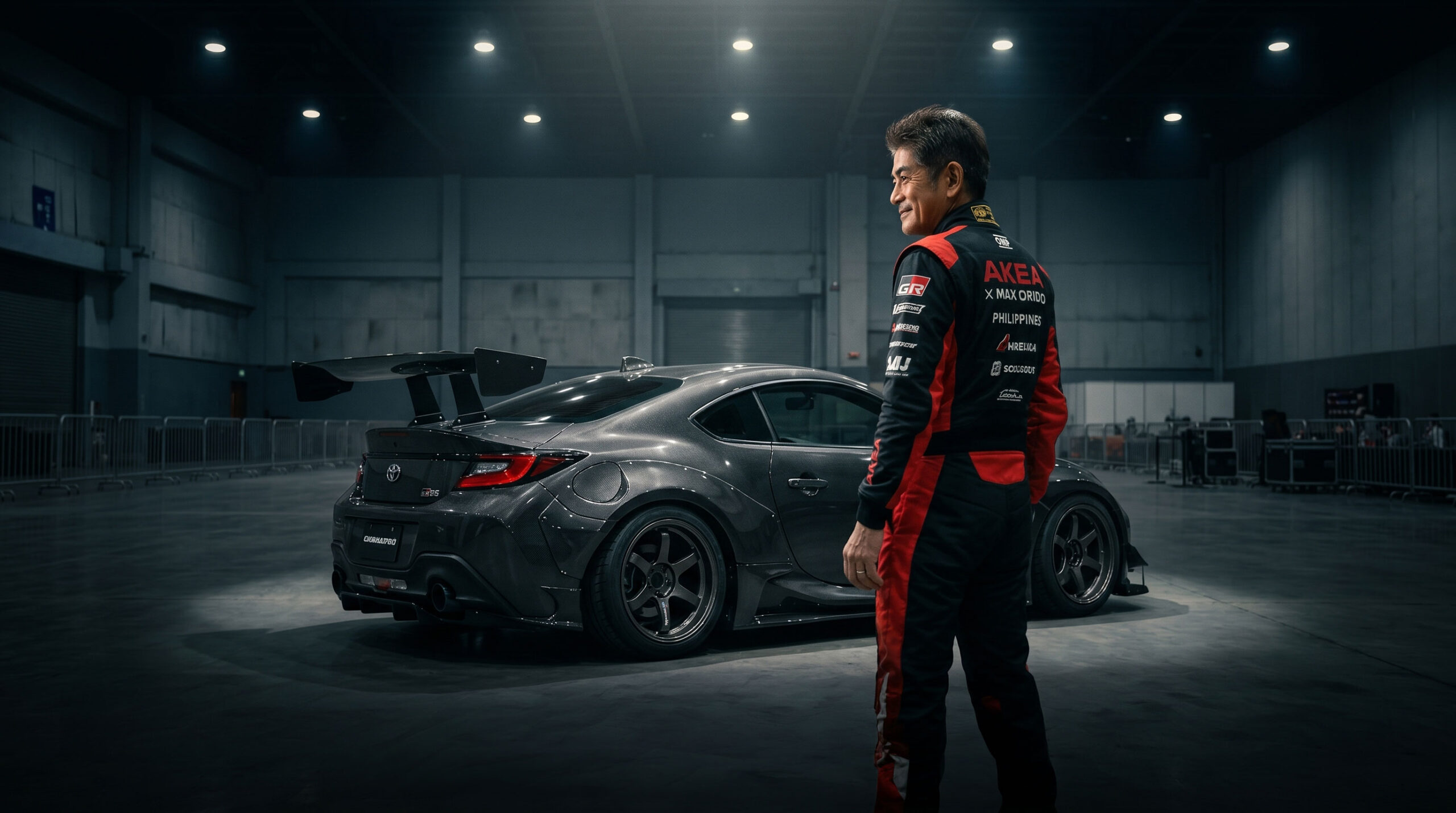
From the Touge to the Circuit: The Unstoppable Evolution of Manabu “Max” Orido

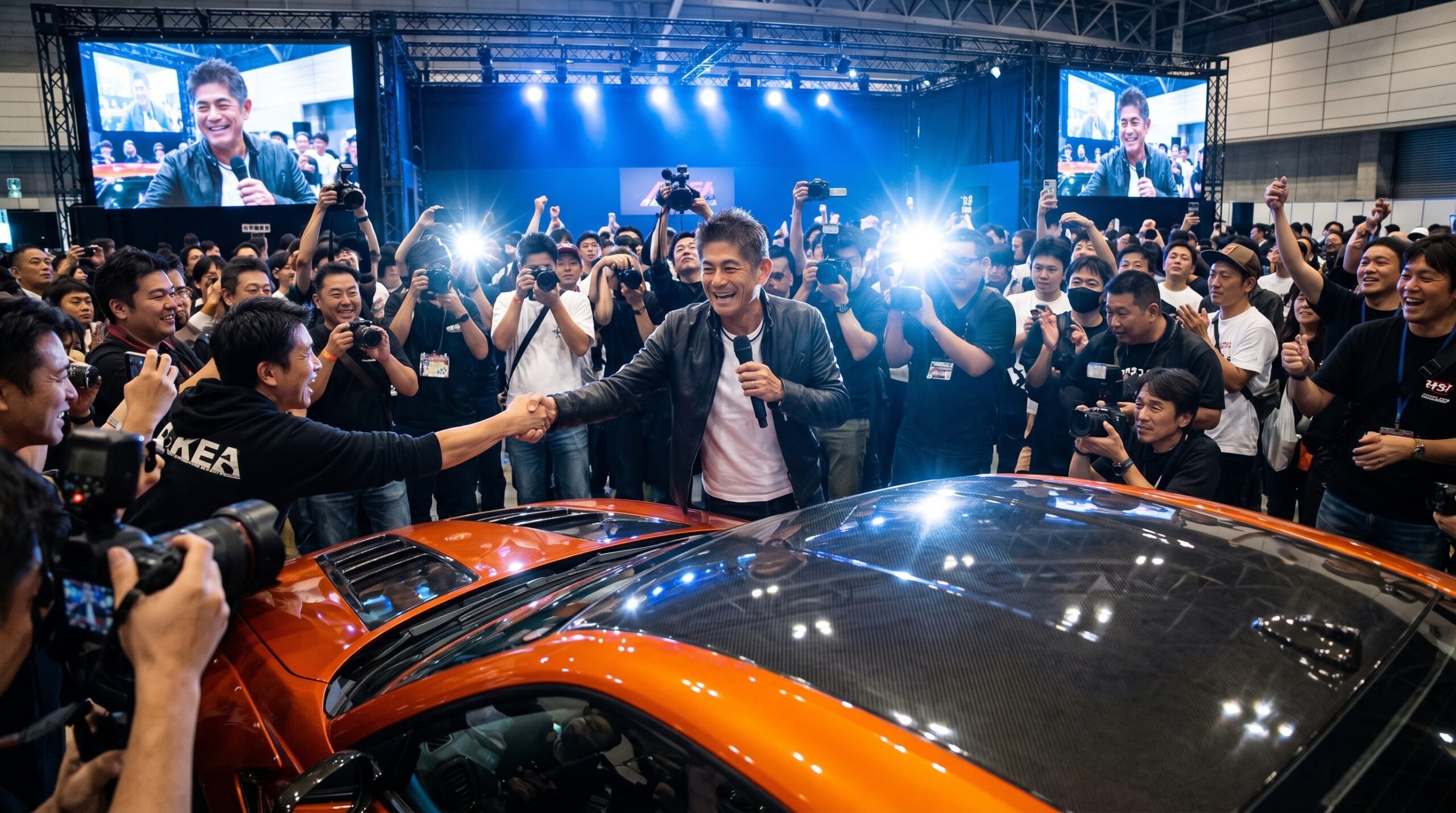
Mark your calendars, Manila. Clear your schedules and get your gear ready, because the legend is landing. On June 17, 2026, Manabu “Max” Orido is pulling up to the Auto Complex, and we at Two and Four are practically vibrating with excitement.

For the local JDM community, this isn’t just another celebrity driver appearance—this is a pilgrimage. Max Orido is automotive royalty. We are talking about the grassroots prodigy who conquered both the underground midnight runs and the absolute pinnacle of professional motorsport.

Forged on the Mountain

There are racing drivers who are forged in the sterile, high-budget environments of karting academies and factory simulators, and then there is Orido. He didn’t start with telemetry data or millionaire sponsors. He cut his teeth in the dead of night on the unforgiving mountain passes—the touge—of Chiba, Japan. Back in an era where street racing was about pure survival and earning respect the hard way, Orido learned vehicle dynamics by pitching cars completely sideways toward concrete barriers. He developed a preternatural sense of balance and car control that didn’t just earn him street cred; it made him a global household name.

His defining breakthrough arrived in 1990. Entering a drift contest organized by CARBOY magazine and sponsored by the Bandoh Chain of Commerce, Orido took the grand championship. That victory wasn’t just a shiny trophy for the shelf; it was his golden ticket out of the underground and straight into the professional paddock.

Conquering the Grip World

While many drift kings stay comfortably within the realm of oversteer, Orido proved his raw, untamed talent translated flawlessly to grip racing. He debuted in the Japanese Grand Touring Championship (JGTC) and immediately silenced any purists who viewed him as “just a street racer.”

In 1997, driving a Nissan Silvia for Racing Project Bandoh, he captured his first GT300 class championship. To prove it was absolutely no fluke, he secured a second GT300 title in 2009, this time piloting a Lexus IS350. His relentless adaptability even took him to the ultimate endurance stage in 2004, where he made his 24 Hours of Le Mans debut in a Porsche 911 GT3 RSR, securing an incredible second-place finish in the GT class.

The Architect of Modern Drifting

Despite all the grip racing glory, the man never abandoned his roots. When the D1 Grand Prix was inaugurated in 2000, formalizing drifting into a legitimate professional motorsport, Orido was right there sitting alongside Keiichi Tsuchiya as a founding judge. He helped shape the rules, the culture, and the sky-high standards of modern drifting we obsess over today.

But sitting behind a judging desk wasn’t enough for a driver with gasoline in his veins. In 2005, he famously stepped down to get back behind the wheel as a competitor, eventually campaigning a raucous, ear-splitting V8-powered Toyota 86 that became an absolute crowd favorite and solidified his reputation as the ultimate showman.

The Legacy Continues

Today, Orido is so much more than a driver; he is a global ambassador for Japanese car culture. Through his legendary shop, MAX ORIDO Racing in Yokohama, and his investments in high-end sim racing facilities, he is still out there pushing the boundaries of automotive performance and driver training.

His visit to the Auto Complex this June isn’t just a celebrity appearance—it is a once-in-a-lifetime chance for Filipino enthusiasts to connect with a living legend. He is the ultimate proof that with enough raw talent, pure passion, and relentless tenacity, the streets can lead straight to the podium.

We at Two and Four will be right there in the crowd, screaming just as loud as the rest of you. See you at the Auto Complex!


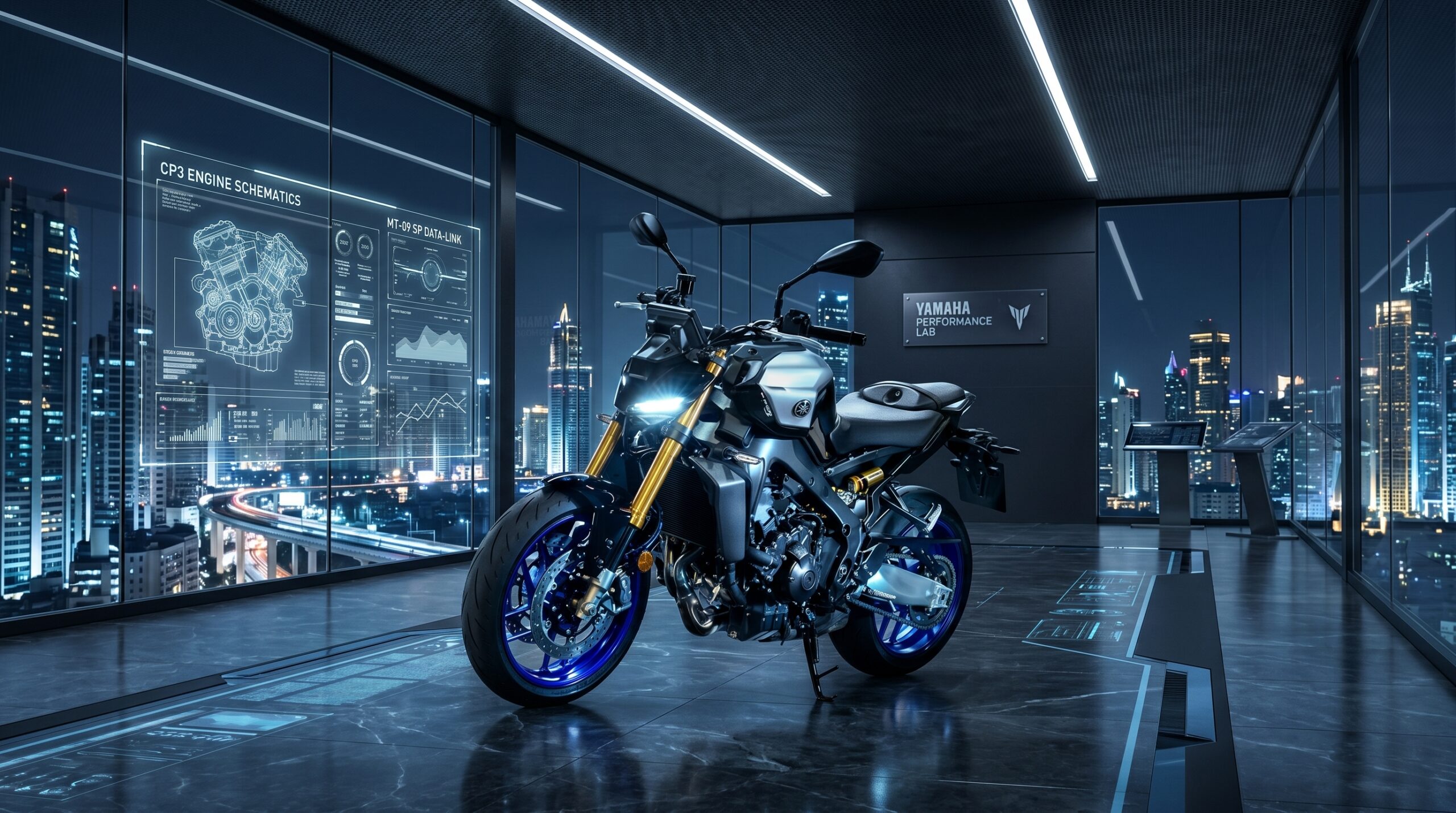
The Hyper-Naked Standard: Analyzing the 2026 Yamaha MT-09

The Philippine heavyweight naked bike segment demands a balance between aggressive urban agility and sustained highway power. For years, Yamaha’s “Master of Torque” lineage has dominated this category. The newly updated 2026 Yamaha MT-09 continues to push the boundaries of the hyper-naked class, bringing a refined chassis, advanced telemetry, and a relentless powertrain to the local streets.

Here is a technical analysis of the hardware that makes the MT-09 a definitive streetfighter.

Powertrain and the CP3 Architecture

The defining characteristic of the MT-09 is its powerplant. Yamaha continues to rely on its highly acclaimed CP3 (Crossplane 3) engine architecture.

  • Engine Specifications: It is powered by an 890cc liquid-cooled, inline three-cylinder engine.

  • Performance Output: The unit generates an aggressive 117 horsepower at 10,000 rpm and a peak torque of 93 Nm at 7,000 rpm. The CP3 design provides a unique firing order that delivers the low-end punch of a twin-cylinder while maintaining the high-revving top-end rush of an inline-four.

  • Drivetrain: Power is managed by a 6-speed manual transmission integrated with an Assist and Slipper clutch. This reduces clutch lever effort by 20% and prevents rear-wheel lockup during aggressive deceleration and rapid downshifts.

2026 MT-09 - Yamaha Motor Canada

Chassis Geometry and Suspension

To manage the violent torque delivery of the CP3 engine, the MT-09 utilizes a highly rigid, sport-oriented structural layout.

  • The Frame: It relies on a lightweight, cast-aluminum diamond frame. This construction keeps the kerb weight down to an exceptional 189 kg, resulting in a power-to-weight ratio that makes the bike highly flickable in tight urban corners.

  • Damping Systems: The front end is planted via fully adjustable 43mm inverted telescopic forks. The rear utilizes a linkage-type mono-shock with adjustable rebound and preload, allowing the rider to dial in the suspension geometry for either track-day rigidity or compliant street touring.

  • Braking: Stopping power is provided by dual front disc brakes with radial-mounted calipers and a single rear disc, governed by a highly advanced cornering ABS system.

Telemetry and Rider Aids

The 2026 model integrates a comprehensive suite of electronic driver aids derived directly from Yamaha’s YZF-R1 superbike platform.

  • The IMU: At the core of the electronics is a 6-axis Inertial Measurement Unit (IMU). This system constantly monitors the pitch, roll, and yaw of the motorcycle.

  • Traction and Control: The IMU feeds data to a highly adjustable three-way Traction Control System (TCS), Slide Control System (SCS), and front-wheel Lift Control System (LIF). These systems work in tandem to keep the 180/55 rear tire planted under heavy acceleration, even at extreme lean angles.

  • Instrumentation: All telemetry is monitored through a sharp, full-color TFT display, allowing the operator to toggle seamlessly between multiple riding modes (including a dedicated Sport mode) to adjust the engine mapping and throttle response on the fly.

Market Positioning

With an official retail price of ₱799,000, the 2026 Yamaha MT-09 remains a premium but highly competitive option in the hyper-naked segment. It offers a calculated, mechanical solution for riders requiring superbike-level electronics and relentless mid-range torque within an upright, urban-friendly ergonomic package.

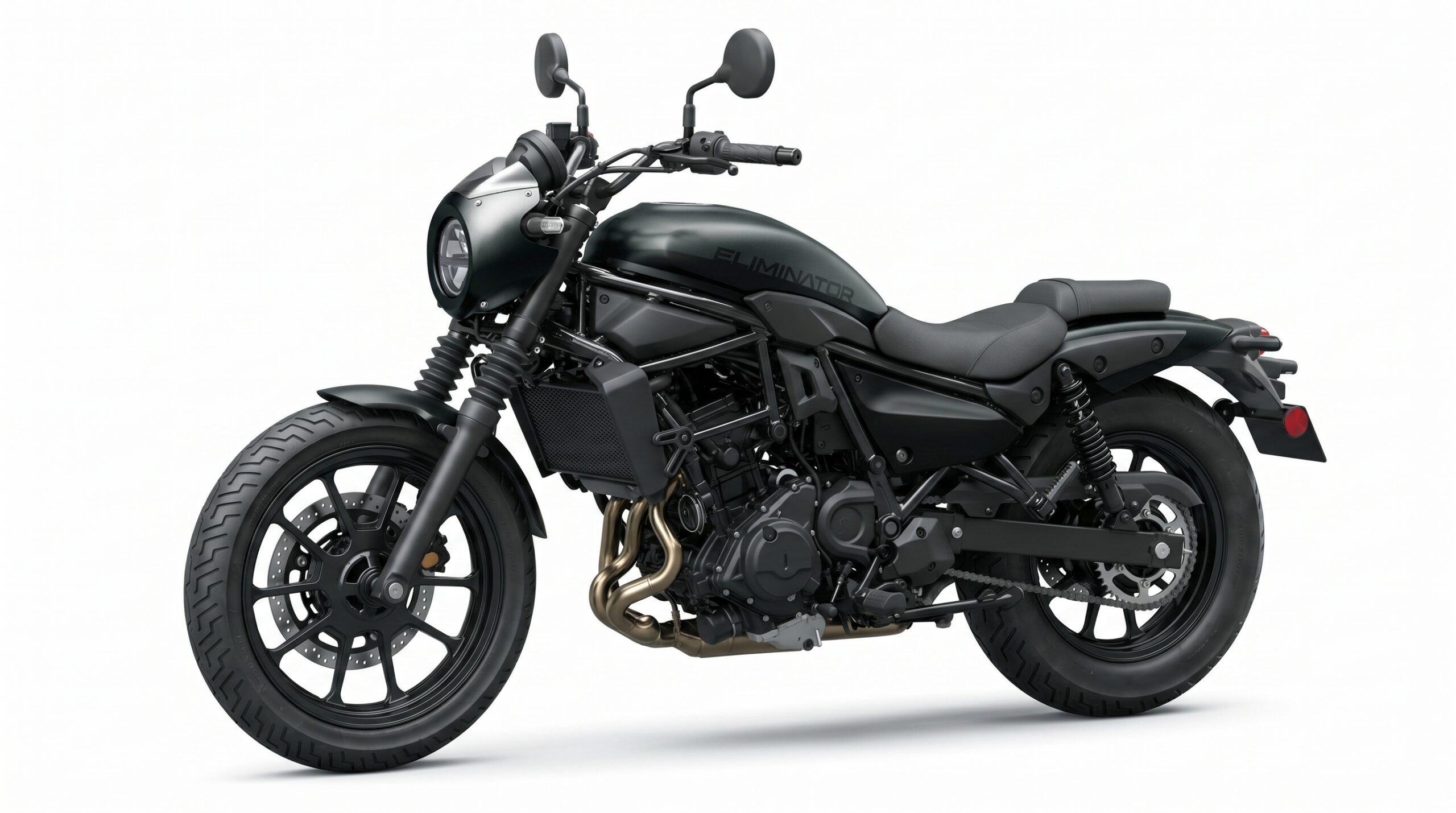
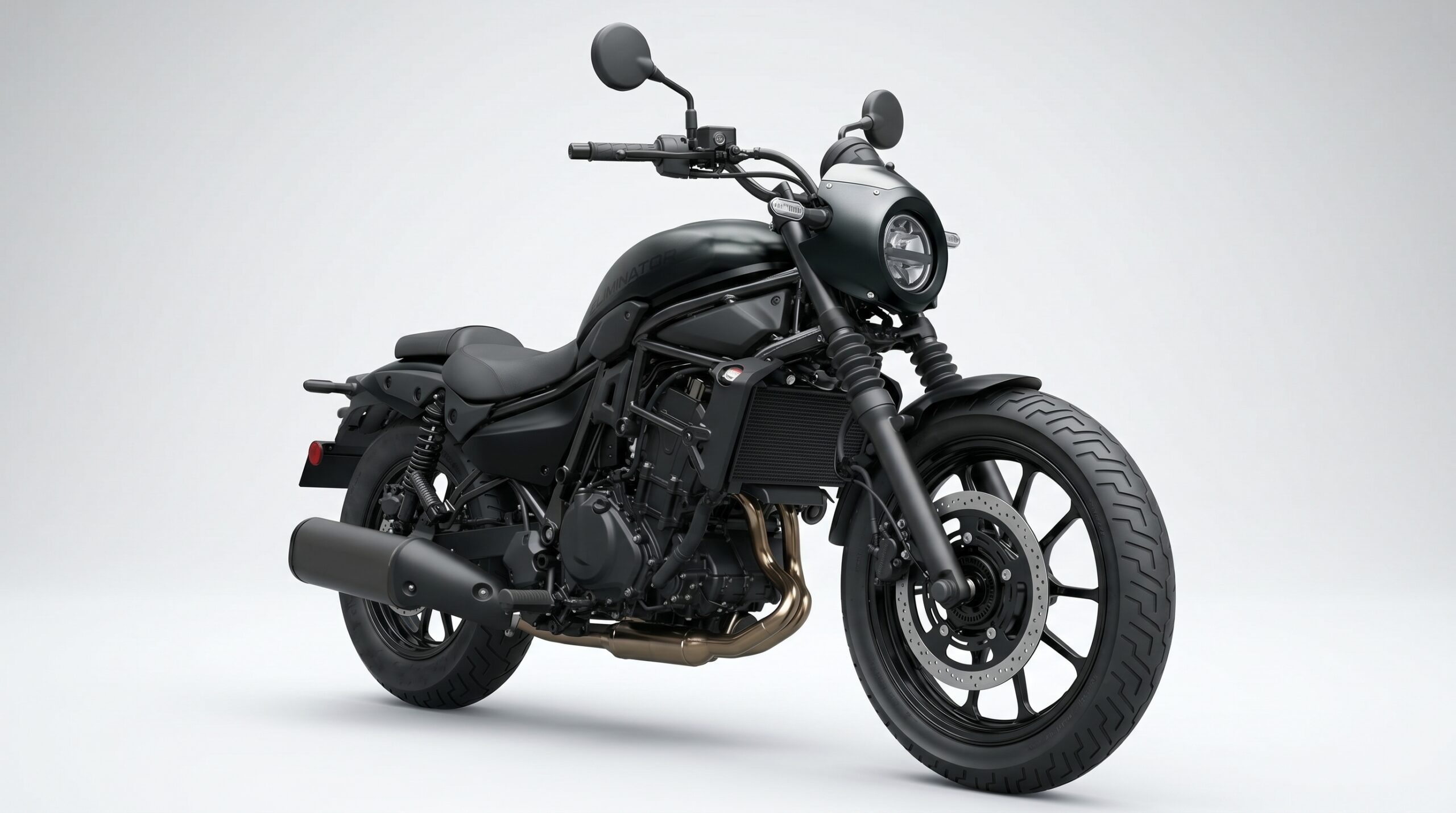
Urban Geometry: A Technical Look at the 2026 Kawasaki Eliminator 500

The middleweight cruiser category has seen a massive resurgence, pivoting away from heavy, chrome-laden V-twins toward agile, performance-oriented parallel-twins. Kawasaki has aggressively re-entered this space with the 2026 Eliminator 500, dropping the classic namesake onto a thoroughly modern architecture. Here is an objective breakdown of the platform’s mechanical and ergonomic systems.

Powertrain and Delivery Instead of developing a new, low-revving cruiser engine from scratch, Kawasaki utilized a proven high-performance platform.

  • The Engine: The Eliminator is powered by a 451cc, liquid-cooled, DOHC parallel-twin engine, a displacement bump directly derived from their Ninja sportbike lineage but retuned specifically for urban tractability.

  • Performance Output: It delivers a healthy 52 horsepower and 42.6 Nm of torque. The engine tuning heavily emphasizes low-end and mid-range torque, providing immediate, predictable roll-on power for highway overtaking without needing to wring out the throttle.

  • Transmission: Power is managed by a 6-speed manual transmission equipped with an Assist and Slipper clutch. This significantly lightens the clutch lever pull during heavy stop-and-go traffic and prevents rear-wheel hop during rapid downshifting.

Chassis Architecture and Ergonomics The Eliminator departs from traditional heavy cruiser frames, utilizing sport-oriented construction to minimize mass.

  • The Frame: It relies on a high-tensile steel trellis frame, a design choice that keeps the kerb weight down to an exceptionally light 176 kg. This results in a power-to-weight ratio that makes the bike highly responsive during tight urban maneuvers.

  • Suspension Geometry: The front end utilizes 41mm telescopic forks, while the rear features a classic twin-shock setup optimized for straight-line stability and passenger comfort.

  • Rider Positioning: True to the cruiser ethos, it features a highly accessible 735mm seat height. Paired with mid-mounted footpegs rather than extreme forward controls, it creates a natural, upright riding triangle that reduces lower back fatigue on longer transit routes.

Telemetry and the SE Package The cockpit strips away analog bulk in favor of streamlined, digital instrumentation.

  • Instrumentation: Vehicle data is centralized in a single, compact circular LCD digital display. It provides clear readouts for the tachometer, gear position indicator, and fuel gauge, integrating seamless smartphone connectivity via Kawasaki’s Rideology application.

  • The SE Variant: For operators seeking expanded utility, the Eliminator SE variant comes factory-equipped with functional upgrades. This includes a compact headlight cowl for high-speed wind deflection, rubber fork boots for stanchion protection against trail debris, and an integrated, waterproof USB-C outlet mounted on the handlebars to power navigation devices.

Market Positioning Priced at ₱366,000 for the standard model and ₱386,400 for the SE variant, the 2026 Kawasaki Eliminator 500 offers a highly accessible but mechanically robust entry into the cruiser segment. By combining the aggressive styling of a low-slung street bike with the high-revving DNA of a sport bike engine, it delivers a modern, agile solution for the everyday rider.

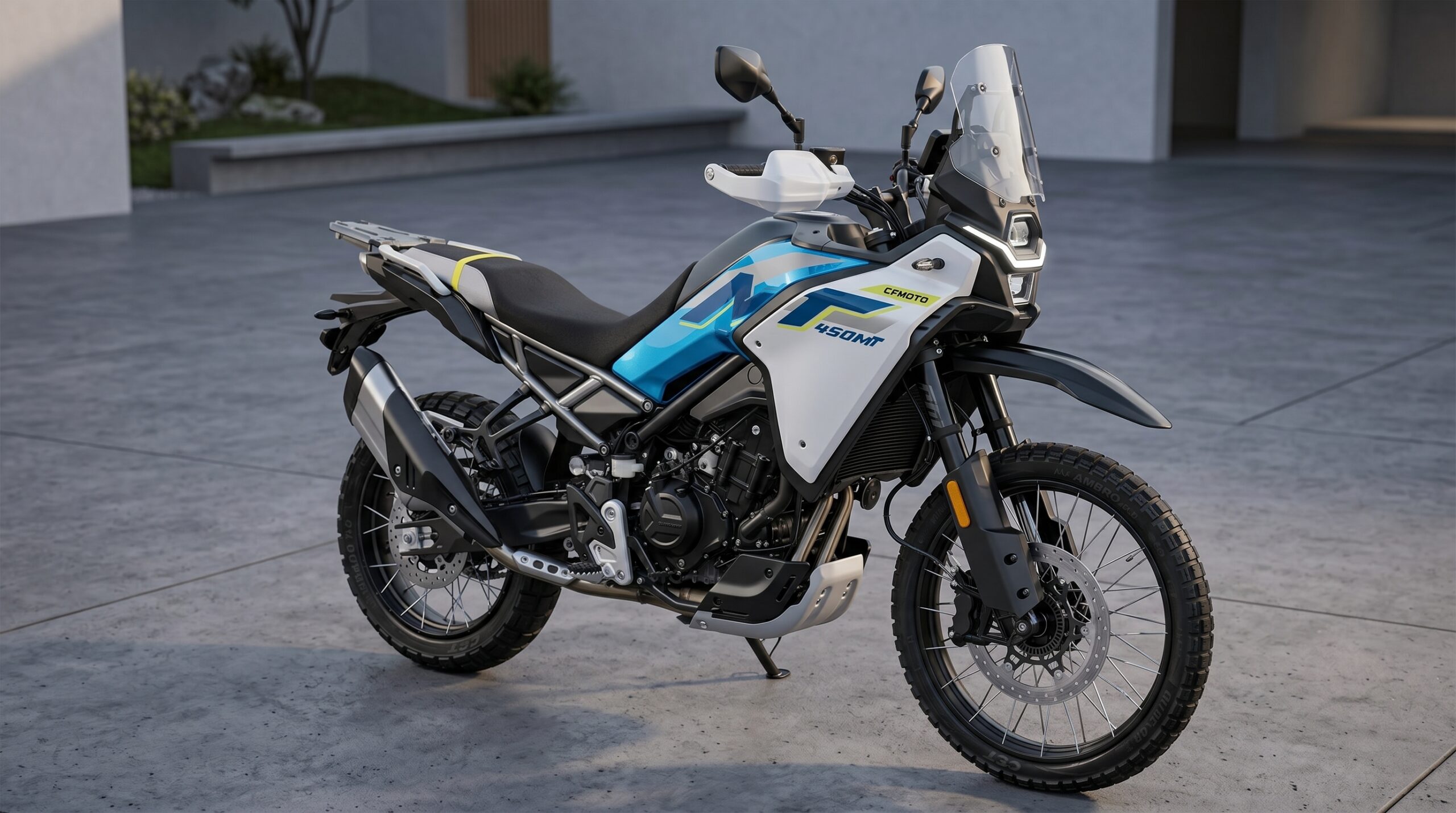
Mechanical Evaluation: The CFMOTO 450MT

The middleweight adventure segment in the Philippines requires vehicles capable of sustained highway transit and immediate transition to unpaved, technical terrain. The CFMOTO 450MT is engineered precisely for this dual-purpose application. Rather than a modified street platform, the 450MT utilizes a purpose-built chassis and powertrain designed for the rigors of off-road environments. Here is an objective analysis of the hardware.

Powertrain and Delivery

The 450MT operates on a dedicated 449cc liquid-cooled, parallel-twin engine architecture.

  • Crankshaft and Firing Order: It features a 270-degree crankshaft. This firing order provides linear torque delivery at lower RPMs, which is critical for maintaining traction during low-speed ascents on loose surfaces.

  • Output Specifications: The engine generates 44 horsepower at 8,500 rpm and 44 Nm of torque at 6,500 rpm. The tuning heavily prioritizes mid-range torque over peak top speed, managed by a Bosch Electronic Fuel Injection (EFI) system.

  • Transmission: Power is routed through a 6-speed gearbox integrated with a CF-SC slipper clutch to prevent rear-wheel lockup during aggressive deceleration.

Suspension and Chassis Geometry

To withstand severe impacts on off-grid trails, the 450MT utilizes premium suspension components and structural reinforcements.

  • Damping Systems: The front end is equipped with 41mm KYB inverted telescopic forks featuring adjustable compression damping. The rear utilizes a multi-link KYB shock with adjustable preload and rebound. Both front and rear systems provide 200mm of total travel.

  • Ground Clearance: The chrome-molybdenum trellis frame is designed to keep mass centralized while providing a high 220mm ground clearance.

  • Wheel Configuration: True to off-road standards, it rides on a 21-inch front and 18-inch rear wire-spoked wheel setup, providing the optimal circumference to roll over large trail obstacles and deep ruts effectively.

Telemetry and Rider Systems

The vehicle integrates digital monitoring systems to aid the operator without overwhelming the dashboard.

  • Instrumentation: The cockpit features a 5-inch curved TFT display providing real-time data on engine temperature, range, and system diagnostics.

  • Braking and Traction: Stopping power is provided by a 320mm front disc with a four-piston J.Juan caliper. It utilizes a Bosch dual-channel ABS and Traction Control System (TCS). Critically for trail use, the rear ABS can be manually disabled directly from the switchgear, allowing the operator to lock the rear wheel for controlled slides during off-road maneuvering.

With a retail price starting at ₱328,900, the CFMOTO 450MT delivers a calculated, mechanical solution for operators requiring genuine off-road capability without the excess weight of a heavyweight adventure platform.

The Electric Vanguard: A First Look at the 2026 Kia EV5

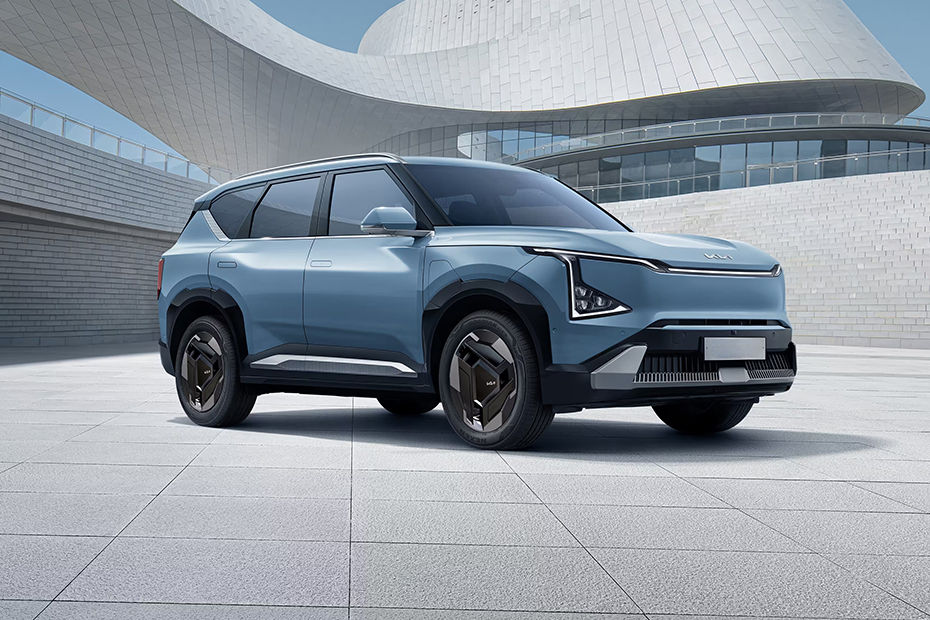
Kia EV5 2026 Front Angle Low View

The electric revolution in the Philippines is moving fast, and the compact electric SUV segment just got significantly more competitive. Fresh off its official showcase at the Manila International Auto Show (MIAS) 2026, the all-new Kia EV5 has landed.

Taking heavy design inspiration from its massive, flagship sibling—the EV9—the EV5 distills that premium, futuristic aesthetic into a much more accessible and urban-friendly package. Here is a technical breakdown of what makes Kia’s latest fully electric vehicle a serious contender.

Powertrain and Range

Kia designed the EV5 to balance daily drivability with long-range capability, built on a dedicated electric architecture.

  • Performance: The EV5 is driven by a front-mounted electric motor that delivers a punchy 214 horsepower. Being an EV, that power translates to immediate, linear torque the second you touch the pedal, making city overtaking and highway merging effortless.

  • Battery Capability: Range anxiety is quickly becoming a thing of the past. The EV5 boasts an impressive maximum range of up to 550 kilometers on a single charge. That is more than enough to handle a full week of Metro Manila traffic or a weekend run to the provinces without constantly checking the battery gauge.

  • Charging: It supports fast-charging capabilities, allowing the battery to go from a 10% to 80% charge in a matter of minutes at a compatible DC fast-charging station.

Design and Aerodynamics

Visually, the EV5 stands out from the rounded, swept-back look of many modern crossovers. Kia’s “Opposites United” design philosophy gives it a distinctly bold and boxy stance.

  • The Digital Tiger Face: The traditional front grille is gone, replaced by a sharp, geometric front fascia featuring Kia’s signature Star Map lighting.

  • Efficiency Meets Style: Despite its muscular, upright silhouette, the design is highly aerodynamic. Flush door handles and specially designed aero-wheels help the EV5 cut through the air with minimal drag, directly contributing to its 550-kilometer range.

Cabin Technology and Practicality

Step inside, and it becomes clear that Kia intended for the EV5 cabin to feel more like a modern, minimalist lounge than a traditional car interior.

  • The Digital Command Center: The dashboard is dominated by a massive, sweeping panoramic display. This seamlessly integrates the digital instrument cluster with the central infotainment touchscreen, providing the driver with crisp telemetry and intuitive access to Apple CarPlay, Android Auto, and the vehicle’s core management systems.

  • Space and Comfort: Because it is built on a dedicated EV platform rather than a modified gas-powered chassis, there is no transmission tunnel. This allows for a completely flat floor, vastly improving legroom and overall comfort for all five passengers.

The Verdict

Available in two distinct trims—the GL at ₱2,298,000 and the top-tier GLS at ₱2,698,000—the 2026 Kia EV5 successfully bridges the gap between high-end electric luxury and everyday utility. It offers the aggressive styling of a much larger SUV, packed with the tech and range required to make the switch to full electric a seamless experience.

For those looking to enter the EV space without compromising on versatility, the Kia EV5 demands a spot at the top of the test-drive list.